Introduction
Silicone, a versatile material, is known for its exceptional adhesive properties. Whether you’re in construction, automotive, or electronics, understanding what silicone sticks best to is crucial for successful applications. In this article, we’ll delve into the various surfaces compatible with silicone, influencing factors, common applications, and essential tips for proper application.
Understanding Silicone
Silicone is a synthetic polymer made from silicon, oxygen, carbon, and hydrogen. Its unique chemical structure contributes to its flexibility, durability, and excellent adhesive capabilities. Unlike many adhesives, silicone remains elastic and resistant to moisture and extreme temperatures.
Surfaces Compatible with Silicone
Glass
Silicone adheres remarkably well to glass surfaces. Its transparency and weather resistance make it an ideal choice for sealing and bonding glass components.
Metal
From aluminum to stainless steel, silicone forms strong bonds with various metals. This makes it a preferred adhesive in the automotive and aerospace industries.
Plastic
Silicone provides reliable adhesion to many plastic materials. It’s commonly used in electronics and household applications involving plastic components.
Wood
While not the first choice for wood, silicone can still adhere to wooden surfaces. Proper surface preparation is key to achieving optimal adhesion.
Factors Influencing Adhesion
Surface Preparation
Cleaning and preparing the surface are crucial steps. Remove dust, grease, and any contaminants for better adhesion.
Temperature
Silicone cures more effectively at moderate temperatures. Extreme cold or heat can affect its bonding strength.
Humidity
Humidity levels impact silicone’s curing process. It’s essential to consider environmental conditions during application.
Common Applications
Construction
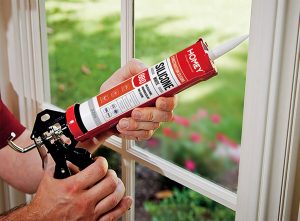
Silicone sealants play a vital role in construction, providing weatherproof seals for windows, doors, and joints.
Automotive
Silicone adhesives are extensively used in the automotive industry for bonding and sealing components due to their resistance to heat and vibration.
Electronics
In electronics, silicone adhesives offer insulation and protection, ensuring the longevity of electronic devices.
Tips for Proper Application
Cleaning the Surface
Thoroughly clean and dry the surfaces before applying silicone to ensure optimal adhesion.
Using Primer
In some cases, using a primer can enhance silicone adhesion, especially on challenging surfaces.
Applying Even Pressure
Properly distribute pressure during application to ensure an even bond. This is particularly important for load-bearing applications.
Challenges and Solutions
Poor Adhesion
Insufficient surface preparation or improper application can lead to poor adhesion. Follow recommended guidelines for best results.
Over-Adhesion
Excessive application of silicone can result in over-adhesion. Use the appropriate amount for the intended purpose.
Safety Considerations
While silicone is generally safe, ensure proper ventilation when using it in confined spaces. Follow manufacturer guidelines for safe handling.
Silicone vs. Other Adhesives
Silicone stands out for its flexibility and resistance to extreme conditions, setting it apart from many traditional adhesives.
Environmental Impact
Silicone is considered environmentally friendly, with some formulations being low in toxicity and biodegradable.
Future Innovations
Ongoing research aims to enhance silicone formulations for improved adhesion, durability, and eco-friendliness.
Conclusion
Understanding what silicone sticks best to is essential for successful applications across various industries. Its versatility, durability, and adhesive properties make it a go-to choice for many professionals. By following proper application techniques and considering influencing factors, you can maximize the benefits of silicone adhesives.
FAQs
- Can silicone adhere to painted surfaces?
- Yes, silicone can adhere to painted surfaces, but proper surface preparation is crucial for optimal adhesion.
- Is silicone safe for food-related applications?
- Food-grade silicone is safe for food-related applications, ensuring non-toxicity and resistance to high temperatures.
- Can I paint over silicone once it’s cured?
- While silicone itself is paintable, it’s essential to choose a paint compatible with silicone for lasting results.
- How long does silicone take to cure?
- The curing time varies based on environmental conditions but generally ranges from 24 hours to a few days.
- Can silicone be used for outdoor applications?
- Yes, silicone is excellent for outdoor applications due to its weather-resistant properties.