Introduction
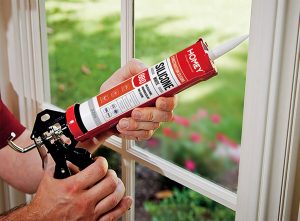
In our daily lives, the question of whether silicone will stick to plastic arises more often than you’d think. Whether you’re repairing household items, working on DIY projects, or engaged in professional manufacturing, understanding the compatibility of materials can save you time, effort, and money. So, will silicone stick to plastic? Let’s dive into the details and find out.
Understanding Silicone Adhesive
What is Silicone?
Silicone is a synthetic polymer known for its flexibility, heat resistance, and durability. It’s widely used in adhesives due to its strong bonding properties and resilience.
Properties of Silicone Adhesives
Silicone adhesives are versatile and can bond a variety of materials. They are waterproof, weather-resistant, and can withstand both high and low temperatures.
Common Uses of Silicone in Bonding Materials
From sealing aquariums to assembling automotive parts, silicone is a go-to adhesive in industries and households alike.
Types of Plastic and Their Compatibility with Silicone
Overview of Plastic Types
Plastics are categorized into thermoplastics and thermosetting plastics. Common types include polyethylene (PE), polypropylene (PP), polyvinyl chloride (PVC), and acrylic.
Plastics That Bond Well with Silicone
Silicone generally adheres well to rigid plastics like PVC and acrylic.
Plastics That May Resist Silicone Adhesion
Plastics such as polyethylene (PE) and polypropylene (PP) are notoriously difficult to bond due to their non-porous surfaces and low surface energy.
How Silicone Bonds to Plastic
Factors That Influence Adhesion
The adhesion process depends on surface cleanliness, texture, and compatibility between the adhesive and the substrate.
Surface Preparation Techniques
Cleaning the plastic surface with isopropyl alcohol or lightly sanding it can enhance bonding.
Environmental Factors Affecting Bonding
Humidity, temperature, and exposure to UV light can significantly impact the bonding process.
Steps to Enhance Silicone Bonding on Plastic
Cleaning the Surface Properly
Remove all dirt, grease, and oil before applying silicone.
Using Primers for Better Adhesion
Primers can increase the surface energy of plastics, allowing silicone to bond more effectively.
Choosing the Right Silicone Adhesive
Select a silicone adhesive specifically designed for plastic bonding for optimal results.
Testing the Bonding Strength
Methods to Check Adhesion Effectiveness
Perform pull tests or stress tests to ensure the bond is secure.
Importance of Stress Testing in Applications
This ensures the adhesive can withstand real-world forces and stresses.
Common Applications of Silicone-Plastic Bonding
Automotive Industry
Silicone adhesives are used in sealing, insulation, and attaching components in vehicles.
Medical Devices
The biocompatibility of silicone makes it ideal for use in medical equipment.
Consumer Products
From phone cases to kitchen tools, silicone-plastic bonding is everywhere.
Challenges in Silicone-Plastic Bonding
Incompatibility Issues
Some plastics resist silicone due to their chemical composition.
Environmental Limitations
Extreme conditions like high UV exposure can degrade the bond over time.
Long-Term Durability Concerns
Repeated stress or environmental exposure may weaken the adhesion.
Alternative Adhesives for Plastic Bonding
Epoxy Adhesives
Epoxies offer strong bonds but may lack flexibility compared to silicone.
Cyanoacrylate (Super Glue)
This adhesive works quickly but is not suitable for all applications.
When to Consider Alternatives
When silicone fails to bond, exploring other adhesives can save your project.
Real-World Examples
Successful Applications
Silicone successfully bonds plastics in high-stakes industries like aerospace and healthcare.
Lessons from Failed Projects
Improper preparation or adhesive selection often leads to failures.
Tips for Best Results
Avoiding Common Mistakes
Don’t skip surface preparation or curing times.
Expert Advice for Strong Bonds
Consult manufacturers’ guidelines for the best adhesive-plastic combinations.
Conclusion
Silicone can bond to plastic, but success depends on the type of plastic, proper preparation, and environmental considerations. By understanding these factors and following best practices, you can achieve strong and durable bonds for a variety of applications.
FAQs
- What types of plastics work best with silicone?
Rigid plastics like PVC and acrylic bond best with silicone. - How long does silicone take to cure on plastic?
Most silicones take 24-48 hours to fully cure, depending on the product. - Can silicone hold under extreme temperatures?
Yes, silicone adhesives are highly resistant to extreme temperatures. - Do I need to use a primer for silicone to stick to plastic?
Using a primer can significantly improve adhesion, especially for low-energy plastics. - What are the alternatives if silicone doesn’t work?
Epoxy adhesives and cyanoacrylates are excellent alternatives for bonding plastic.