Introduction
Water leaks are a homeowner’s worst nightmare. Whether it’s a leaky faucet, a crack in your foundation, or water seeping through your windows, the damage caused by leaks can be costly and damaging. But here’s some good news: silicone sealant can often offer a simple and effective solution. So, will silicone sealant stop water leaks? The answer is generally yes—but with a few caveats that we’ll explore in this article.
Understanding Silicone Sealant’s Properties
Before diving into how silicone sealant works, it’s important to understand what makes it such a go-to choice for sealing and waterproofing. Silicone sealants are made from a combination of synthetic rubber and silicone polymers, giving them outstanding flexibility, durability, and water-resistant properties.
Composition of Silicone Sealant
Silicone sealants are typically made of silicone polymers mixed with a curing agent, which hardens when exposed to moisture in the air. This unique composition allows silicone sealants to resist shrinkage, cracking, and deterioration, even when exposed to harsh environmental conditions like extreme temperatures or UV rays.
Flexibility and Durability of Silicone Sealant
What makes silicone sealant so effective at preventing leaks is its flexibility. Unlike other types of sealants, silicone remains pliable over time. This means it can expand and contract without cracking, even in areas that experience temperature fluctuations or physical movement. This flexibility is essential in creating a long-lasting seal that prevents water infiltration.
How Does Silicone Sealant Work?
When applied to surfaces, silicone sealant forms a strong bond that keeps water from passing through. It fills in gaps, cracks, or seams, preventing water from finding its way into the underlying structure. The sealant forms a barrier that repels water, ensuring it stays dry and protected.
How Silicone Sealant Prevents Water Leaks
Sealing Gaps and Cracks
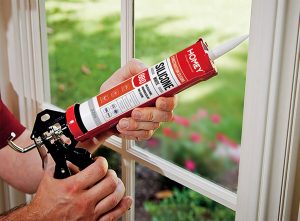
The primary function of silicone sealant is to fill in any gaps or cracks where water may leak through. Whether it’s around windows, doors, sinks, bathtubs, or pipes, silicone provides an airtight, watertight seal that prevents moisture from penetrating.
Waterproof Nature of Silicone
Silicone’s inherent waterproof properties make it ideal for use in wet environments. Once cured, silicone forms an impermeable barrier that stops water from passing through, making it an excellent solution for sealing leaks in bathrooms, kitchens, or even outdoor spaces like roofs.
Adhesive Qualities
Silicone sealant’s strong adhesive properties ensure that it sticks firmly to a variety of surfaces. Whether you’re sealing metal, glass, wood, or plastic, silicone bonds well to these materials, enhancing its effectiveness in preventing leaks.
Application of Silicone Sealant
Common Areas for Silicone Sealant Use
Silicone sealant is commonly used around bathroom fixtures, windows, doors, plumbing pipes, and even outdoor structures like gutters or roofing. It’s versatile and works well in both interior and exterior applications.
Step-by-Step Guide to Using Silicone Sealant for Water Leaks
- Clean the Area: Start by cleaning the area where you plan to apply the silicone sealant. Remove any dirt, grease, or old caulk.
- Apply the Sealant: Use a caulk gun to apply the silicone sealant to the gap or crack. Apply an even bead of sealant along the seam.
- Smooth the Sealant: Use a wet finger or a caulk smoothing tool to smooth out the sealant and ensure it fully fills the gap.
- Let it Cure: Allow the sealant to cure for the recommended time (usually 24 hours) before exposing it to water.
Key Tips for Best Results
- Surface Preparation: Make sure the surface is clean and dry before applying silicone. Any moisture or debris can affect the sealant’s performance.
- Proper Curing Time: Allow enough time for the silicone to fully cure before using the area. Rushed application can result in a weaker seal.
- Avoiding Over-Application: Don’t over-apply silicone, as it can lead to unnecessary mess and may not cure properly.
Common Misconceptions About Silicone Sealant
It’s Not a Permanent Fix
While silicone sealant is durable, it isn’t a permanent solution for all water leak problems. It works well for small gaps and cracks but may not be enough to fix larger structural issues that require more intensive repairs.
Silicone Sealant Doesn’t Work on All Surfaces
While silicone adheres well to many materials, there are some surfaces, such as certain plastics or low-energy materials, that it may not bond well with. Always check the manufacturer’s recommendations for surface compatibility.
When to Use Silicone Sealant for Water Leaks
Temporary Solution vs Permanent Solution
Silicone sealant is often a quick fix for minor leaks or cracks, but if the leak is due to a larger issue, like a faulty pipe or structural damage, silicone may only offer a temporary solution. In these cases, more extensive repairs are necessary.
Situations Where Silicone Sealant is Ideal
Silicone is perfect for small leaks around windows, doors, bathtubs, or sinks. It’s also great for outdoor use on gutters, roofs, and garden fixtures, as long as the damage is localized and not a result of a bigger structural problem.
Alternatives to Silicone Sealant for Water Leaks
If silicone sealant isn’t the right solution for your leak, there are other options available.
- Epoxy Resins: These are great for fixing leaks in concrete or masonry, offering a strong bond and durable repair.
- Butyl Rubber Sealant: Excellent for sealing joints and seams, especially in roofing applications.
- Polyurethane Sealant: Known for its high durability, polyurethane works well in heavy-duty applications where movement or pressure is a concern.
Advantages of Using Silicone Sealant
Easy to Apply
Silicone sealant is simple to apply, even for DIY enthusiasts. It requires minimal tools and preparation.
Versatility
You can use silicone sealant for a wide range of applications, from sealing small cracks in walls to waterproofing sinks and bathtubs.
Cost-Effective
Compared to other waterproofing solutions, silicone sealant is relatively inexpensive, making it an affordable choice for quick fixes.
Conclusion
Silicone sealant can indeed stop water leaks, especially in smaller, localized areas. It forms a flexible, waterproof seal that prevents moisture from infiltrating, making it a versatile and effective tool for DIY repairs. However, it’s essential to remember that it may not solve larger structural issues, so always assess the severity of the leak before relying solely on silicone.
FAQs
- How long does silicone sealant last? Silicone sealant can last for several years when applied properly, withstanding moisture, temperature changes, and UV exposure.
- Can silicone sealant be removed? Yes, silicone can be removed, but it requires a silicone remover or a special tool to scrape it off carefully.
- Can silicone sealant be used outdoors? Absolutely! Silicone sealant is UV-resistant and can be used outdoors on surfaces like windows, roofs, and gutters.
- Is silicone sealant safe to use around food or water? Once cured, silicone sealant is generally safe for use in areas where food or drinking water might come into contact, like kitchen sinks or bathtubs.
- How can I ensure a strong bond with silicone sealant? Make sure the surface is clean and dry before applying the sealant, and allow the silicone to fully cure for the best results.