Solar panels are an expensive investment. If you’re powering a home, a company, or a large solar farm, it’s crucial that your panels last as long as they can, typically 10 years or longer. But something that not everyone discusses: even the best solar panels can fail prematurely if they aren’t sealed and protected.
That’s where the solar silicone sealant is helpful. It might not be the first thing on your mind when you think of solar systems, but it has a significant impact on how long your panels will last and how effectively they’ll function.
So, what is solar silicone sealant, and what does it do? Why is it such a big deal? And why is Homey 933 Solar Silicone Sealant so popular among experts worldwide? Let’s get it explained.
The Role of Durability in Solar Panel Performance
Installing solar panels is more than a fad, eco-friendly idea—it’s an enduring plan for cutting energy costs and boosting self-reliance. But if your panels fail or don’t work well, that investment won’t pay off.
Solar panels are designed to last a long time, typically 10 years. But they’re out in the elements all the time. They get sun every day, wind, dust, moisture, and so much more. All these things acting on them day after day can take their toll.
That is precisely why durability is so important. A well-installed panel with adequate protection can continue to generate electricity for decades. So what is making it so durable? You bet—solar silicone sealant.

What Can Damage Solar Panels Over Time?
Now that we understand how much long-term performance is important, let’s take a look at what’s working against it.
Solar panels face many environmental threats:
- UV Radiation: Continuous sunlight has the power to degrade materials over time.
- Rain and Humidity: Rain can seep into panel frames or junction boxes and cause corrosion.
- Wind and Dust: Loose items can be displaced by strong winds, and dust can break down adhesive bonds.
- Severe Temperatures: Heat and cold make materials expand and contract, and this can lead to cracking.
- Salt Air and Pollution: Especially in urban or coastal settings, chemicals and salt in the air can damage sensitive components.
These dangers have a tendency to create microscopic gaps and cracks along the panel and frame edges—perfect spots for water and dirt to intrude. That’s where you’ll require solar silicone sealant.
So, what does this special sealant accomplish?
How Solar Silicone Sealant Protects Your Solar Investment
Solar silicone sealant is a protective barrier over your solar panel’s vulnerabilities. It seals the frame, edges, and gaps where water or air may penetrate. It’s like weather armor for your solar installation.
Unlike most sealants, though, silicone is tough enough to survive extreme outdoor weather. It won’t melt if it heats up, it won’t freeze and break if it cools down, and it stays flexible even after decades of exposure to the weather. That keeps your panels safe from whatever the great outdoors can throw at them.
But let’s be even more precise—why is silicone superior to other materials, such as acrylic or polyurethane?
Benefits of Using Solar Silicone Sealant
The following are some of the most significant benefits that make solar silicone sealant the ideal choice:
- UV Resistance: It will not degrade when exposed to sunlight, which is important since solar panels are exposed all day, every day, to the sun.
- Flexibility: Materials expand and contract when temperatures change. Silicone follows them, preventing cracks.
- Waterproofing: It creates a secure seal against rain and water.
- Adhesion: It can adhere to metal, plastic, and glass—whatever is utilized in solar panels.
- Long Lifespan: Silicone sealants of high quality can last up to 10 years without being replaced.
So now that we are aware of how simple solar silicone sealant is, what product can you depend on to accomplish the task? Let us talk about Homey 933.
Why Professionals Rely on Homey 933 Solar Silicone Sealant
Not all sealants are created equal. For solar panel contractors and installers who need a product they can count on, Homey 933 Solar Silicone Sealant is the obvious choice.
This item is specifically designed for the sun to use, and it checks all the right boxes:
- 100% RTV silicone to room temperature cure
- Non-corrosive and non-toxic when applied near electrical components.
- Remains stable in the range of -50°C to +200°C
- Forms good adhesion to all solar materials
- UV ray resistant, age resistant, and weather resistant
When you’re mounting a solar panel or roof, you don’t need to waste time thinking about how long your sealant will last. With Homey 933, professionals can be sure that they’re using a product that will endure as long as the panels.
So, how does that play out in the real world?

Real-Life Applications and Results
Solar installers employ Homey 933 to seal:
- Panel frame edges
- Junction boxes
- Structures mounting
- Cable connection points
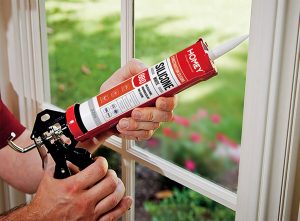
It is easy to apply using a standard caulking gun, and it will harden quickly onto surfaces like aluminum, glass, and plastics. Once hardened, it is a watertight, elastic seal that resists rain, heat, snow, and more.
Installers receive fewer calls and service requests when utilizing Homey 933. It’s peace of mind in a tube—something that all solar technicians can appreciate.
How to Properly Apply Solar Silicone Sealant
Properly using solar silicone sealant is just as crucial as using the correct brand. The following is the general procedure to do so in such a way that your installation will be long-lasting.
Where to Use the Sealant
- At the exterior of the solar panel frame
- At the bottom of the mounting brackets
- Around cable entry points on walls or roofs
- In and around junction boxes
Tips for Best Results
- Pre-clean the surface—grease or dust will compromise the bond.
- Ensure that the surface is dry and clear of moisture.
- Apply a smooth, uniform bead of sealant—don’t use too much.
- Let it have enough time to harden completely (usually 24–48 hours).
- Avoid touching the space while curing.
With proper technique and proper product, your solar panels will be protected from day one.
Conclusion
Solar power is a smart investment—if your panels are designed to last. And one excellent way to protect that investment is with a solar silicone sealant that’s specially formulated for the task.
From heavy rains to UV radiation and temperature extremes, your solar system sees it all. Homey 933, a tough sealant, helps guard your system from such ailments, ensuring your installation is safe, secure, and efficient in the long run.
If you are a contractor, solar installer, or builder who needs a pressure-resistant product, Homey 933 is your top choice.
Need instructions on how to use it, or would like to place an order? Our team is here to help. Contact us anytime, and we’ll be glad to walk you through your options and offer support for your next project.

Frequently Asked Questions (FAQs)
1. What is a solar silicone sealant?
Solar silicone sealant refers to a weatherproof glue that is formulated specifically to seal and encapsulate solar panels against water, sunlight, dust, and extreme temperatures.
2. Why would solar silicone sealant be important to solar panels?
It helps extend the life of solar panels by blocking leaks, corrosion, and weather damage.
3. Where do I apply solar silicone sealant during installation?
Apply it to panel frames, junction boxes, mounting points, and cable entry holes to seal out water and air.
4. Is it possible to use regular silicone instead of solar silicone sealant?
General-purpose silicone will usually not be as weather or UV-resistant. Solar silicone sealant has been designed with solar and outdoor use in mind.
5. What is the shelf life of Homey 933 solar silicone sealant?
Homey 933 is designed to last for 10 years if used and well-maintained.
6. Is Homey 933 safe for electrical components?
It is indeed non-corrosive and neutral-curing, so it is safe to use near sensitive electronic equipment and solar wire.
7. Will the sealant peel or crack in hot or cold temperatures?
No. Solar silicone sealant is also durable and flexible between a temperature range of -50°C to +200°C.
8. How long will Homey 933 take to cure?
Healing occurs within 24–48 hours with temperature and humidity dependency.
9. Can homeowners apply this sealant themselves?
Yes, it is easy to install with a straightforward caulking gun, but for heavy-duty applications, professional installation is recommended.
10. Where to buy Homey 933 solar silicone sealant?
You can purchase directly from our product page or contact us for bulk orders and support.