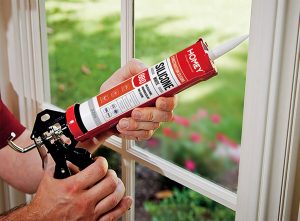
In modern construction, durability and energy performance are just as important as looks. One of the key materials helping buildings last longer and stay protected is something small but powerful — silicone sealants.
If you’ve ever walked past a building with large glass panels or sleek cladding, there’s a good chance silicone sealants are holding those parts together and keeping out wind, water, and dust. But how exactly do they work? And why are they so critical for facades and glazing systems?
Let’s explore what makes silicone sealants an essential part of today’s buildings.

What Are Silicone Sealants and Why Are They So Important?
You might be surprised how often buildings move. Not big movements, but tiny shifts from wind, heat, and even the building settling over time. These movements can crack or break materials that don’t bend.
That’s where silicone sealants come in.
Silicone sealants are flexible materials used to seal gaps, joints, and seams in buildings. Unlike glue, which dries hard, silicone sealants stay rubbery and elastic. That means they can stretch, compress, and move with the building — without breaking down.
How They Work in Modern Construction
Sealants are used anywhere different materials meet. Around windows, between metal panels, along expansion joints — anywhere air or water might sneak in. Silicone sealants form a strong barrier that stops leaks and helps keep inside air in and outside weather out.
This makes them ideal for construction, where different materials need to stay sealed together, especially in places exposed to the elements. They’re like invisible guards protecting your building from damage.
If a building doesn’t use the right sealant, it might look good at first, but cracks, leaks, or mold could show up within just a few years.

How Silicone Sealants Protect and Preserve Facades
The facade of a building is more than just the outside surface. It’s the first layer of defense against wind, rain, sun, and pollution. If the facade fails, problems can spread fast — water can get in, insulation can be damaged, and the structure underneath can start to weaken.
So how do you keep facades working and looking great for decades? One big part of the answer is silicone sealants.
Silicone sealants play a key role in holding facade materials together while keeping out moisture and dust. Whether the surface is made of glass, aluminum, stone, or tile, silicone can bond tightly and hold up under pressure.
Benefits for External Cladding and Curtain Walls
Let’s take a look at what makes silicone sealants ideal for building facades:
- Weather Resistance: They hold up through seasons of rain, snow, and heat without peeling, cracking, or leaking.
- UV Stability: Even after years of sunlight, they won’t discolor or lose their strength.
- Strong Adhesion: They bond well with a wide range of materials, including porous surfaces like stone or concrete.
- Mold and Mildew Resistance: Especially useful in humid climates or near ground level.
- Long-Term Flexibility: Unlike rigid sealants, silicone stays elastic for 20+ years in most conditions.
Cladding and curtain walls are often the first parts of a building people see. Keeping them sealed properly not only protects the inside — it helps the outside look new for longer.
And that leads us naturally to another critical area where silicone sealants shine — glazing systems.

The Role of Silicone Sealants in Glazing Systems
Glazing systems are all about glass — windows, skylights, curtain walls, and more. As buildings use more glass for natural light and modern design, keeping those panels sealed safely becomes more important than ever.
So what happens when those seals fail? Leaks, fogging between panes, air drafts, and even safety risks. That’s why using high-quality silicone sealants is not optional — it’s essential.
Improving Energy Efficiency and Airtightness
You might not notice a small gap between a window and the wall, but your energy bills will. Air leaks increase heating and cooling costs and make indoor spaces less comfortable.
Silicone sealants help stop these problems by sealing gaps around glazing components, keeping buildings more airtight and energy-efficient. Other key benefits include:
- Reducing Heat Loss or Gain: Sealed glass helps regulate indoor temperatures.
- Blocking Moisture Intrusion: Prevents internal water damage or mold growth.
- Improving Acoustics: Stops outside noise from entering.
- Enhancing Appearance: Smooth, clear seals make glazing systems look clean and professional.
If your building uses a lot of glass, silicone sealants are the behind-the-scenes heroes keeping everything in place — and in good shape.
What to Look for When Choosing a Silicone Sealant
There are many types of sealants on the market, but not all of them are up to the challenges of modern building design. To get lasting performance, you need to pick the right type — especially when it comes to facades and glazing.
So, what features matter most?
Start by thinking about where and how the sealant will be used. Is it exposed to the weather? Does it need to bond to glass and metal? Will it be near moisture or mold-prone areas?
Here’s what professionals recommend looking for.
Why Quality Matters More Than Price
It’s easy to think all sealants are the same, but cheaper ones often break down faster or lose their stick. Choosing a top-quality silicone sealant will save money in the long run.
The best silicone sealants offer:
- Neutral Cure Formulas: These release no acid during curing, so they won’t damage metal, marble, or concrete.
- Movement Capability: They expand and contract with building movement.
- Wide Material Compatibility: Bond to glass, stone, steel, aluminum, fiberglass, and more.
- Weather and UV Resistance: They survive harsh climates without losing flexibility.
- Compliance with International Standards: Check for ISO or ASTM certification.
You may pay a bit more up front, but you’ll save time, money, and frustration down the road.
Why Homey 880 Is a Smart Choice for Façade and Glazing Projects
If you’re looking for a high-performance product that checks all the boxes, Homey 880 is a smart and reliable choice. This one-part, neutral cure silicone sealant was designed for general glazing, weather sealing, and facade applications.
It combines long-lasting performance with user-friendly application and is trusted by builders around the world.
Ideal Applications for Homey 880
Homey 880 is used in a wide range of projects, including:
- Curtain Walls: Sealing glass panels and metal frames.
- Facade Joints: Keeping cladding panels sealed and secure.
- Windows and Doors: Creating airtight seals around frames.
- Kitchens and Bathrooms: With mildew resistance built in.
- EIFS Systems and Non-Structural Applications: Works on most construction materials.
It’s compatible with glass, ceramics, tiles, fiberglass, steel, concrete, aluminum, vinyl, and more — making it one of the most versatile sealants available.
With a focus on quality and performance, Homey 880 helps ensure your project stays strong, safe, and weatherproof.
Conclusion
Choosing the right materials is one of the best ways to future-proof your building. As we’ve explored, silicone sealants play a vital role in protecting both facades and glazing systems from weather, moisture, and movement.
They aren’t just add-ons. They’re an essential part of your building’s durability, safety, and appearance.
Homey 880 brings together the features professionals demand: strong adhesion, long-term flexibility, and resistance to weather and mildew. Whether you’re working on a high-rise, a residential tower, or a storefront, it’s a trusted solution that delivers real value.
Interested in learning more or getting a sample of Homey 880?
Contact our team today. We’re always happy to answer questions, share advice, or help you choose the right product for your project. No pressure — just real support, from people who understand construction.
FAQs
1. What are silicone sealants used for?
Silicone sealants are used to seal gaps, joints, and edges in construction, especially around windows, doors, facades, and glazing systems.
2. Why choose silicone over other sealants?
Silicone sealants offer excellent flexibility, weather resistance, and long-term durability, making them ideal for both indoor and outdoor use.
3. Can silicone sealants be used on glass?
Yes, they bond well to glass and are commonly used in glazing systems, curtain walls, and storefronts.
4. Are silicone sealants waterproof?
Yes, they create a waterproof barrier that prevents leaks and moisture damage.
5. Do silicone sealants resist UV rays?
Silicone sealants are highly resistant to UV rays and won’t crack or yellow with sun exposure.
6. What is a neutral cure silicone sealant?
A neutral cure sealant cures without releasing acidic substances, making it safe for metals, concrete, and stone.
7. Can they be painted over?
Most silicone sealants are not paintable. Check the label before painting.
8. How long do silicone sealants last?
High-quality silicone sealants can last 20 years or more with proper application.
9. Are they mold-resistant?
Many silicone sealants, like Homey 880, offer mildew-resistant properties.
10. Can I use them in kitchens and bathrooms?
Yes, they are perfect for wet areas due to their waterproof and anti-mold features.