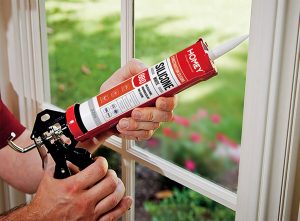
Having or installing a fish tank is an excellent hobby, but it has a very real drawback: making sure the tank does not leak. A leak starts out as a few drops on the floor, but soon, it can mean destroyed furniture, dead fish, and a whole lot of aggravation. That’s why the right aquarium silicone sealant is not just a good idea—it’s essential.
So why is aquarium silicone sealant so important? Why are you more dependent on it than any other method of sealing? And how can a product like Homey H300 give your tank the long-term protection it needs?
Let’s get started.

What If Your Aquarium Is Not Sealed Correctly?
Fish tanks look like nothing more than a glass container, but they’re under an incredible amount of pressure—literally. Water pushes against walls constantly, particularly in big tanks. When even one seam isn’t sealed correctly, water begins to leak out. The small leaks eventually become large ones.
But it’s not just water that’s spilled. Leaks can cause:
- Mold and mildew on your floors or walls
- Short-circuit if water touches electrical outlets
- Health risks to your fish from changing water levels
- Dangerous slipping hazards to kids or household pets
Think about it: would you ever put a cracked soda bottle in charge of holding a liter of soda? Not a chance. So why risk it when you use weak or aged sealant on an aquarium tank full of life and water?
That’s why the proper sealing item can mean the difference between a peaceful aquarium and a stressful disaster.
Why Aquarium Silicone Sealant is the Best Solution to Leaky Tanks
Since we now know why leaks are so crucial, let us talk about how aquarium silicone sealant is the ideal solution against them.
Not all adhesives are safe to use underwater. Some of them break down over time, and some of them contain chemicals that could hurt your fish. But silicone? It’s durable, rubbery, waterproof, and harmless—if you choose the right type.
Silicone versus Other Sealants
Epoxy will appear to be very strong, but it cures too hard and will crack.
Rubber sealants will degrade and peel off when exposed to steady water pressure.
Cheap adhesives or local caulk typically contain harmful chemicals that have the potential to contaminate aquatic organisms.
Aquarium silicone sealant is designed to give a good glass-to-glass seal, stay firm when underwater, and be safe to use for freshwater tanks or saltwater tanks. It’s a favorite among hobbyists and professional tank builders for a reason.
Therefore, the question remains: which silicone sealant can you trust?
Why Homey H300 is the Best Aquarium Silicone Sealant
To build a leakproof tank, follow Homey H300. This is no ordinary silicone—it’s specifically designed for structural glass applications like Total Vision Systems (TVS), curtain walls, and, yes, aquariums.
Here’s why it stands out:
High tensile strength indicates that it will not deteriorate when subjected to pressure. This is particularly relevant for larger tanks or custom constructions.
Neutral cure formula: Homey H300 produces no toxic fumes when drying, which makes it harmless to fish, snails, shrimp, and aquatic plants.
Excellent weather and UV resistance guarantee that it will not age in rooms with sunlight.
Its high bonding capacity makes it ideal for corner joints and butt joints—most prone to leak if not caulked.
Bonus: Available in Different Colors to Give a Neater Look
Homey H300 is available in translucent, black, white, and grey so that you can color-coordinate your sealant to your tank frame or your decorative scheme. Small detail, but it makes your tank cleaner and more professional-looking.
Why not consider installing your own tank or resealing one that you already have? This might be the product that will give you peace of mind.
But how do you really use aquarium silicone sealant correctly?
How to Use Aquarium Silicone Sealant for the Best Result
Applying silicone sealant is not difficult to accomplish—but there are a few things you must do if you wish to have a completely watertight seal.
Let’s go through it.
Step 1: Prepare the Surface
Make sure all glass edges are free of dust and clean. Wipe them with isopropyl alcohol to remove oil, dust, and any prior silicone. Don’t be lazy—silicone won’t adhere to dirty glass.
Step 2: Use a Smooth Bead
Using a caulk gun, press a bead of the sealant along the joints. Slow and steady. Avoid gaps and bubbles.
Step 3: Smooth It Out
Smooth the bead using a gloved finger or a silicone tool. Press it gently into the joint so that it embeds deeply.
Step 4: Let It Cure
This is a gradual process. Although it might have dried out in a period of 24 hours, the full curing process is 7–14 days. Resist the temptation to touch, move, and water it during those days. Curing too fast can result in air bubbles within, which are leaks later.
For how long should one wait before the tank is filled?
If you have a small aquarium, 7 days will probably be long enough. Large or specialty tanks should wait 14 days just to be safe. Always follow the product label and use the cure instructions as printed.
If unsure, wait longer. It is better to wait than to risk water in your living room.
Beyond Aquariums: Some Other Creative Uses of Silicone Sealant
You’re probably wondering—what else can you do with this product? While Homey H300 is a premium aquarium silicone sealant, it’s also used on many other uses for glass.
Some of them are:
- Canopies and Skylights: Seal glass panes without letting in leaks or drafts.
- Glass Tables and Shelves: Invisible bonds that hold strong without brackets or screws.
- Terrariums and Reptile Habitats: Waterproof and long-lasting for dry or humid conditions.
- Architectural Glazing: Specifically created for modern frameless glass use or art panels.
If you are a fan of DIY home renovations or modern home interior styles, it is recommended to have a good silicone like Homey H300 in your toolkit.
Final Words
Take a moment to summarize it all.
Aquarium silicone sealant is not an afterthought—it’s the secret to a leak-free, stress-free tank. Without it, even the best fish tank can come apart. With it, your tank will run for years without a single drop of trouble.
Homey H300 is unique in that it’s tough, flexible, fish-safe, and designed for serious glass applications. If you’re a new aquarium hobbyist or a seasoned builder, this product provides you with an advantage.
And the icing on the cake? You’re not only defending your tank—you’re defending your time, your money, and the living things that rely on you.
Ready to Build or Repair Your Tank? Let’s Talk. Or got a leaking tank? Building a custom system? Or simply want to know if you’re using the highest quality aquarium silicone sealant out there?
Contact HomeyCons – we’d be happy to assist. Have a question, need tips on how to use it, or need to place an order? We’re here to make your next project leak-free and trouble-free.
Frequently Asked Questions
1. What is aquarium silicone sealant?
Aquarium silicone sealant is a water-sealing, non-toxic adhesive applied to seal and cement glass in aquariums to prevent leaks.
2. Is aquarium silicone sealant safe for fish and plants?
Yes, such great products as Homey H300 are produced with a neutral cure formula and thus are 100% safe for aquatic life.
3. Can I substitute aquarium silicone sealant with regular silicone?
No. Standard silicone can be filled with chemicals that are toxic to fish. Use only sealants that are specifically marked as aquarium-safe.
4. How long does it take for aquarium silicone sealant to dry?
Cure time is typically 7 to 14 days, subject to tank volume and room temperature. Always follow product instructions.
5. How do I take out old aquarium silicone?
Remove old silicone with a razor blade, and clean the glass off with isopropyl alcohol and reseal.
6. Can aquarium silicone sealant be used over existing silicone?
No. Fresh silicone will not adhere to worn-out layers. Remove all old sealants before applying a fresh coat.
7. How long-lasting is Homey H300 silicone sealant?
Homey H300 is tensile-strong and, therefore, ideally suited for high-pressure glass-to-glass joints like aquarium corners.
8. Is aquarium silicone sealant waterproof?
Yes, it’s designed to stay rugged and durable under constant water pressure without degrading.
9. What colors does Homey H300 come in?
Homey H300 is available in translucent, black, white, and grey—perfect for complementing any tank style.
10. Where can I purchase aquarium silicone sealant like Homey H300?
You may purchase it from HomeyCons online directly or contact their personnel for more details.