Have you ever wondered what makes certain adhesives stronger than others? Whether you’re into DIY projects, professional construction, or just fixing things around the house, choosing the right glue can make all the difference. But with so many options available, how do you know which one is the strongest? In this article, we’ll break down the best adhesives available on the market and help you choose the one that will stick with you in even the toughest situations.
What Makes an Adhesive Strong?
Adhesives work by bonding two surfaces together. But how does the glue achieve its strength? Well, there are a few factors that play a role in how strong the adhesive bond is:
- Bonding Mechanisms: Adhesives can work in several ways, such as through chemical reactions (like epoxy), mechanical interlocking (as seen in construction adhesives), or even pressure-sensitive bonds (like tapes).
- Material Compatibility: The best adhesives work when they’re compatible with the materials you’re bonding. For example, superglue might not be ideal for bonding metal to wood.
- Cure Speed: The time it takes for the adhesive to set and reach its full strength is also important. Some adhesives bond instantly, while others may require several hours or even days.
Factors to Consider When Choosing the Strongest Adhesive
When you’re looking for the strongest adhesive, you’ll need to consider several factors:
- Surface Type: Different adhesives are better suited for specific surfaces. For example, some adhesives are better for porous materials like wood, while others excel at bonding metals or plastics.
- Temperature Resistance: Some adhesives can withstand extreme heat, while others perform best in cooler conditions. If you’re working in hot or freezing environments, choose an adhesive designed for that.
- Water and Chemical Resistance: If your project will be exposed to moisture or harsh chemicals, make sure your adhesive can handle it.
- Load-Bearing Capacity: If you need the adhesive to hold heavy objects, ensure it has the necessary strength to bear weight.
The Strongest Adhesives in the Market
Now, let’s take a closer look at some of the strongest adhesives available:
Epoxy Adhesives: The Heavy-Duty Choice
Epoxy adhesives are known for their strength and durability. They are perfect for bonding a wide variety of materials, including metal, wood, glass, and plastics. Epoxy consists of two parts: a resin and a hardener. When mixed together, they undergo a chemical reaction that creates a very strong bond. Epoxies can be used for everything from automotive repairs to construction.
- Best Brands for Epoxy: Gorilla Epoxy, Loctite Epoxy, J-B Weld
Polyurethane Adhesives: Flexibility and Strength Combined
Polyurethane adhesives are incredibly strong and offer a flexible bond. This makes them ideal for projects where some movement or flexibility is expected. They’re great for outdoor use because they are resistant to moisture, temperature changes, and UV light. These adhesives are commonly used for woodworking, automotive repairs, and construction.
- Common Uses: Wood, metal, plastic, stone, and even concrete.
Cyanoacrylate (Superglue): Instant Bonding Power
If you need something that bonds instantly, cyanoacrylate (also known as superglue) is your go-to adhesive. It creates a strong bond quickly and is perfect for smaller repairs. However, it doesn’t work as well on porous surfaces and may not handle heavy loads. Still, it’s incredibly effective for bonding small objects like ceramics, plastics, and metals.
- Popular Superglue Brands: Gorilla Super Glue, Loctite Super Glue, Crazy Glue
Construction Adhesives: Designed for Tough Jobs
Construction adhesives are specifically formulated to handle heavy-duty bonding for large construction projects. These adhesives are designed to bond a wide range of materials like wood, concrete, metal, and drywall. They are also known for their ability to bond irregular surfaces that other adhesives can’t handle.
- Key Applications: Attaching tiles, flooring, framing, and molding.
Silicone Adhesives: For High-Temperature and Waterproof Jobs
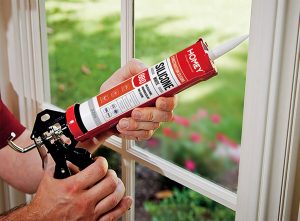
Silicone adhesives are perfect for projects that require waterproofing or resistance to extreme temperatures. They’re often used in the automotive and construction industries and are excellent for sealing gaps, cracks, and joints. Silicone is also highly flexible and can expand or contract with temperature changes without losing its bond.
- Ideal Uses: Bathrooms, kitchens, and any area that requires waterproof sealing.
Comparing Strengths: Which Adhesive is Best for You?
- For Heavy-Duty Bonding: If you need a glue that can handle heavy materials or high-stress conditions, epoxy adhesives are your best bet.
- For Fast Repairs: When you need something that bonds instantly, cyanoacrylate (superglue) is the way to go.
- For Outdoor and Weatherproof Projects: Polyurethane adhesives are perfect for outdoor projects because they resist moisture, UV light, and extreme temperatures.
Application Tips for Maximum Strength
For the best results, follow these tips when applying adhesives:
- Prepare the Surface: Clean the surfaces to remove dust, oil, or grease. Some adhesives require roughing up the surface for better adhesion.
- Apply Evenly: Don’t over-apply; a thin layer is usually enough.
- Clamp or Hold the Bond: Some adhesives need pressure to form a solid bond. Use clamps or tape to hold the surfaces together as the glue cures.
Safety Considerations When Using Strong Adhesives
Adhesives can be powerful, but they can also be hazardous. Always:
- Use the adhesive in a well-ventilated area.
- Wear gloves to protect your skin from the chemicals.
- Avoid inhaling fumes, especially with superglues or industrial-strength adhesives.
Common Mistakes to Avoid
- Applying Too Much Glue: More isn’t always better. Excess glue can cause messy drips or weaken the bond.
- Skipping Surface Prep: If the surface isn’t clean or rough enough, the adhesive may not stick properly.
Where to Buy the Strongest Adhesives
You can find high-quality adhesives at most hardware stores, home improvement centers, or online retailers like Amazon. Be sure to check customer reviews to see how the adhesive performs in real-world applications.
Conclusion
Choosing the strongest adhesive depends on your specific needs. Whether you’re bonding metals, repairing ceramics, or sealing a window frame, there’s an adhesive that fits the bill. Epoxy and polyurethane are great for heavy-duty projects, while superglue is perfect for fast fixes. Silicone adhesives are the go-to for waterproof and high-temperature conditions. By understanding the strengths and limitations of each adhesive, you can tackle any project with confidence.
FAQs
1. What is the strongest glue for wood?
Epoxy adhesives and polyurethane adhesives are excellent choices for bonding wood. They offer strong, durable bonds that last.
2. Can superglue bond metal?
Yes, superglue can bond metal, but it’s not ideal for heavy-duty applications. For stronger bonds, consider epoxy or polyurethane adhesives.
3. How long does it take for epoxy glue to set?
Epoxy typically sets within 5 to 30 minutes but can take 24 hours to fully cure and reach maximum strength.
4. Can silicone adhesive be used outdoors?
Yes, silicone adhesive is perfect for outdoor use as it is waterproof and can withstand extreme temperatures.
5. How do I remove strong adhesives?
To remove strong adhesives like superglue, use acetone or nail polish remover. For epoxy, you may need a special adhesive remover or scraper.