Introduction
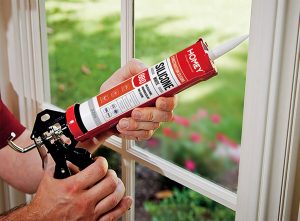
Silicone sealant is a popular product widely used in construction, automotive, and home improvement projects. Its versatility and durability make it a go-to choice for sealing joints, gaps, and surfaces. However, like any material, silicone sealant has its drawbacks. In this article, we’ll dive into the disadvantages of silicone sealant to help you make informed decisions for your next project.
Composition of Silicone Sealant
Silicone sealants are primarily made of silicone polymers, fillers, and curing agents. This composition gives them their unique properties, such as flexibility and water resistance. Unlike acrylic or polyurethane sealants, silicone stands out for its ability to perform in extreme temperatures and harsh environments.
Advantages of Silicone Sealant
Before we explore the disadvantages, it’s important to acknowledge the benefits:
- Durability and Flexibility: Silicone sealants can expand and contract without cracking, making them ideal for dynamic joints.
- Temperature Resistance: They remain stable in both freezing and high-heat conditions.
- Waterproofing Properties: Their resistance to moisture makes them effective for bathrooms and kitchens.
Disadvantages of Silicone Sealant
Limited Adhesion
Silicone sealants struggle to bond with certain materials, like wood or certain types of plastics. If you’re working with surfaces that require a strong adhesive, silicone may not be the best option. For better adhesion, consider using polyurethane or hybrid sealants.
Difficult to Paint Over
One of the most frustrating downsides of silicone is its resistance to paint. Since it’s non-porous, paint doesn’t adhere well, often leading to peeling or flaking. If aesthetics are a priority, you might need to look into paintable alternatives like acrylic sealants.
Requires Specialized Tools for Application
Achieving a professional-looking finish with silicone sealant isn’t as easy as it seems. Without the right tools, it’s challenging to spread and smooth the sealant evenly, leading to uneven surfaces or gaps in sealing.
Cost Implications
Silicone sealants are generally more expensive than their acrylic or latex counterparts. While they offer longevity, the initial investment can be a barrier, especially for large-scale projects.
Short Shelf Life
Once opened, silicone sealant has a limited shelf life and can harden in the tube if not used promptly. This leads to waste and additional costs for replacements.
Susceptibility to Mold and Mildew
Although silicone is water-resistant, it’s not immune to mold and mildew in consistently damp environments. This is particularly problematic in bathrooms or kitchens where moisture is prevalent.
Not Suitable for Structural Applications
Silicone sealants lack the strength required for heavy-duty structural projects. If you’re sealing load-bearing joints, opt for structural adhesives designed for those purposes.
Common Misconceptions About Silicone Sealant
Many people believe silicone sealant is a one-size-fits-all solution. However, its limitations, especially in adhesion and paintability, make it less suitable for certain applications. Understanding these nuances can save time and money.
How to Choose the Right Sealant for Your Needs
When selecting a sealant, consider the surface material, environmental conditions, and desired finish. Acrylic sealants are great for paintable surfaces, while polyurethane offers better adhesion for porous materials.
Tips for Proper Use of Silicone Sealant
- Clean and dry the surface before application to ensure proper adhesion.
- Use masking tape to achieve clean lines.
- Store unused sealant in a cool, dry place to extend shelf life.
Environmental Impact of Silicone Sealant
Silicone sealants pose challenges in recycling and disposal, as they are not biodegradable. For eco-conscious projects, consider alternatives like water-based sealants.
Conclusion
While silicone sealant has its advantages, it’s essential to be aware of its disadvantages to use it effectively. From limited adhesion to difficulties with painting, understanding these drawbacks will help you make better choices for your projects.
FAQs
- Can silicone sealants cause health issues?
No, silicone sealants are generally safe when used as directed. However, proper ventilation is recommended during application. - Is there a way to make silicone paintable?
No, but using a paintable sealant over silicone can help achieve the desired look. - How long does silicone sealant last in storage?
Unopened tubes can last up to a year, but always check the manufacturer’s expiration date. - What’s the best alternative to silicone sealant for wood?
Polyurethane sealants provide better adhesion and durability for wooden surfaces. - How do you remove silicone sealant effectively?
Use a silicone remover tool or solvent, and ensure the surface is clean before reapplying any sealant.