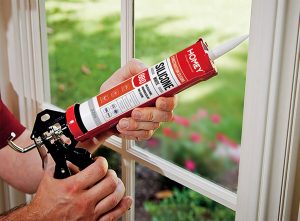
The solar industry is expanding at an extremely fast rate, with an increasing number of people and organizations adopting renewable power. It is, however, not all about the glass, the cells, or the frames when creating strong solar panels. One might argue that one of the least appreciated but most vital parts is the component that holds it all together: the sealant. And that’s where Silicone Solar Sealant comes to the fore.
So what exactly is silicone solar sealant, and why is it so important to photovoltaic (PV) modules? Let’s discuss its role, benefits, and how it can extend the lifespan of solar panels and make them more efficient.

What Is Silicone Solar Sealant
In essence, Silicone Solar Sealant is a neutral-curing, solvent-free sealant compound. When exposed to atmospheric moisture, it reacts and cures at room temperature to become a flexible rubber-like substance.
This stretching and shrinking without loss of adhesion makes it ideal for application in solar systems. PV panels are exposed to ever-changing weather conditions, ranging from blistering sunshine to torrential rain and freezing temperatures. A typical sealant would crack, peel, or lose adhesion in these conditions. Silicone, however, can stretch and shrink without loss of adhesion, keeping the panel sealed and shielded.
Unlike other construction sealants, the silicone solar sealants are specially designed for PV module components. They are able to bond favorably on plastic backsheets, glass, aluminum frames, and even junction boxes. By sealing all the module components tightly, they prevent the entry of moisture, air, and dust. This is crucial in protecting the electrical components and ensuring long-term performance.
Having established what it is, the next question is: why is the sealant so important to photovoltaic modules?
Why Silicone Solar Sealant Matters to Photovoltaic Modules
Think about how long a solar panel is designed to last. Most are constructed to last 25 years or more. That means every component of the panel must withstand decades of rain, wind, sun, and temperature variation. If the sealant degrades, the entire system is ruined.
- Silicone Solar Sealant serves a protective role in numerous applications:
- Repels water: Any water, however minute an amount, inside a PV module will damage the cells and reduce efficiency.
- Prevents dust and dirt ingress: A hermetic seal keeps the surface and interior clean, providing the module with a stable output.
- Maintains mechanical integrity: The panels expand and contract with temperatures of heat and cold. The elasticity of the silicone sealant absorbs this stress.
- Assists in electrical safety: Secure sealing prevents short circuits due to the entry of moisture into the junction box.
If you think about it, silicone isn’t glue. It’s a seal that protects solar panels from the external environment. You might be wondering, then, why not another sealant? Let’s compare.

Benefits of Silicone Solar Sealant over Other Sealants
There are numerous types of sealants available in the market. Acrylic and polyurethane (PU) sealants are the most widely used substitutes. At first, they will seem to be cheaper or more convenient, but their solar performance is another matter altogether.
Silicone and Polyurethane Sealants
Polyurethane is widely used in construction and is well-bonding. However, it is less stable under UV light. PU sealants yellow, crack, or become stiff with time when exposed to strong sunlight. This is a significant drawback for PV modules, which operate outdoors for decades.
Conversely, Silicone Solar Sealant remains weather-stable and UV-resistant. It keeps its strength and elasticity even after years of weathering, and that is why it is a better long-term option.
Silicone vs Acrylic Sealants
Acrylic sealants are cheaper and most suitable for indoor use, but are brittle. At outdoor temperatures, they de-adhere and peel. In the case of solar panels, this means leakage, reduced efficiency, and potential system failure.
Silicone again is the top choice as it is flexible even in the most severe conditions. In subzero temperatures or blistering heat, silicone still adheres firmly.
With these comparisons, we can see that silicone is better than the rest of the sealants. So why is Homey’s silicone sealant better?
Key Features of Homey Silicone Solar Sealant
Homey has developed a Silicone Solar Sealant that is designed for use in solar applications. It is not simply a case of gluing things together; it is about creating a permanent seal that will hold up to real-world conditions.
Below are the features that make it the best:
- Enhanced sealing and bonding performance: Suitable for use with aluminum alloy frames, rear panels, and junction boxes.
- Weather resistance: Active when subjected to sunlight, rain, wind, and temperature changes.
- Mildew resistance: Very important in tropical and humid climates.
- Elastic bonding: Allows solar panels to expand and contract without breaking.
- Fast grip: Saves installation time for both manufacturers and installers.
- Safe and solvent-free: Neutral cure chemistry protects sensitive solar materials.
- 12-month shelf life: Simple to store and available when required.
Homey offers the product in a range of sizes, from 300ml cartridges to 25kg pails and even 200L drums. This is ideal for small projects and even on large production lines.
And you may be wondering, how exactly do you use silicone solar sealant on PV modules?
Use of Silicone Solar Sealant in PV Modules
Correct application of Silicone Solar Sealant ensures optimum performance and endurance. Application is easy, but has to be done with caution.
- Surface preparation: Clean and dry all surfaces. Strip off oil, dust, or old adhesives.
- Application: Seal with a caulking gun or automatic dispenser. Apply enough sealant to complete the gap, but no more.
- Curing: The sealant will cure when exposed to air humidity. It will form a skin in a matter of minutes, and full curing is generally 24-48 hours, depending on thickness.
- Storage: Keep the cartridges or containers sealed and at less than 25°C. Use within 12 months’ shelf life for best performance.
Regardless of whether you are sealing an aluminum frame, joining a junction box, or bonding a backsheet, silicone provides the strength and flexibility needed for long-term performance.
But the question remains: with all these solutions available, why would manufacturers and installers adopt Homey’s solution?

Why Choose Silicone Solar Sealant from Homey
When selecting material for solar panels, quality and reliability should be the primary concern. Failure of the sealant can mean expensive repair, loss of efficiency, or even a safety hazard. That is why the right kind of decision-making is necessary.
Homey has years of experience in the production of industrial and construction sealants. Their Silicone Solar Sealant is specially formulated with the special needs of solar panels in mind. From heavy rain and intense UV radiation to extreme temperatures, it is formulated to withstand it all.
For the manufacturers, it translates to less risk of product failure and more satisfied customers. For installers, it translates to faster and easier application and longevity. For end-users, it translates to confidence that their investment in solar will make their home run for decades.
Conclusion
Solar energy is all about sustainability, and sustainability demands materials that will last long. For this reason, Silicone Solar Sealant is not the most obvious component of a PV module. However, it is a very significant component that ensures the system performs efficiently, safely, and for a long duration.
With superior bonding, weatherability, and elasticity, silicone is the best option for PV modules. And with Homey’s product, you have a sealant specifically formulated for functional solar applications, from small residential rooftop projects to massive solar farms.
If you would like to get your solar panels to deliver optimal performance for years to come, now is the time to make the smart choice. Contact Homey today to learn how our Silicone Solar Sealant products can benefit your solar projects.
FAQs
1. What is Silicone Solar Sealant?
It is a solvent-free, neutral-curing compound utilized in the bonding and sealing of solar panel components such as junction boxes, backsheets, and frames.
2. Why are PV modules required to use Silicone Solar Sealant?
It prevents panels from becoming dry, dusty, and weathered, which ensures long-term effectiveness and longevity.
3. For how long is Silicone Solar Sealant durable?
It has a shelf life of 12 months when stored, and after application, it can survive for decades to safeguard solar panels.
4. Is Silicone Solar Sealant resistant to extreme temperatures?
Yes. It is flexible in very cold and very hot temperatures, and accordingly is suitable for outdoor solar applications.
5. What are the differences between Silicone Solar Sealant and polyurethane sealants?
Silicone is also more weather-stable and UV-resistant, whereas polyurethane yellows or cracks when exposed to sunlight.
6. Will it fit on any solar panel?
Yes. It has good adhesion to aluminum, glass, plastics, and common PV module materials.
7. How to use Silicone Solar Sealant?
Surfaces should be dry and clean. It can be dispensed via a conventional caulking gun or automatic dispenser.
8. How many hours will it take for Silicone Solar Sealant to dry?
It only takes a few minutes to apply to the skin and usually cures in 24 to 48 hours, depending on thickness.
9. Is Silicone Solar Sealant resistant to mildew?
Yes. Quality models with mildew resistance, like Homey’s model, are needed where the climate is damp.
10. Where can Silicone Solar Sealant be bought?
You can call Homey directly for inquiries on volumes, prices, and shipping on your solar projects.