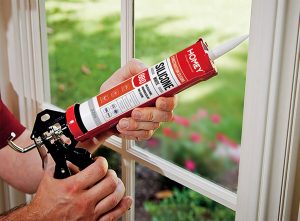
What Is Silicone Sealant?
Silicone sealant is a flexible, waterproof material used to fill gaps and seal joints in various applications, including construction, automotive, and plumbing. It is known for its strong adhesion, durability, and resistance to extreme weather conditions.
How Does Silicone Sealant Cure?
Silicone sealant cures through a chemical reaction with moisture in the air. The curing process can take anywhere from 24 hours to a few days, depending on the type of silicone and environmental conditions. Once fully cured, the sealant forms a strong, waterproof bond that protects against moisture and contaminants.
What Happens When Silicone Sealant Gets Wet Too Soon?
Weak Bonding and Adhesion Issues
If silicone sealant gets wet before it has fully cured, it may not adhere properly to the surface. This can lead to weak bonds, causing the sealant to peel or detach over time.
Change in Texture and Appearance
Water exposure can cause silicone sealant to become uneven, creating a soft, tacky, or bubbly texture. In some cases, the sealant may develop a white or cloudy appearance, making it less visually appealing.
Reduced Effectiveness in Sealing and Waterproofing
Silicone sealant is designed to provide a strong waterproof seal. However, if it gets wet before curing, it may not form a complete seal, allowing moisture to seep through. This can lead to leaks and structural damage in areas like bathrooms, kitchens, and outdoor surfaces.
Growth of Mold and Mildew
Moist environments promote mold and mildew growth. If moisture gets trapped in partially cured sealant, it can create a breeding ground for bacteria, leading to unsightly and potentially harmful mold growth.
Factors That Affect the Curing Process of Silicone Sealant
Humidity and Temperature Levels
High humidity can speed up the curing process, while low humidity can slow it down. Similarly, extreme temperatures—either too hot or too cold—can affect how well the sealant cures.
Thickness of the Sealant Application
Thicker applications of silicone sealant take longer to cure. If you apply a heavy bead of sealant, it may take several days to fully dry and harden.
Type of Silicone Sealant Used
There are different types of silicone sealants, including fast-curing and standard varieties. Choosing a fast-curing option can reduce the risk of premature water exposure.
How to Prevent Silicone Sealant from Getting Wet Prematurely?
Choosing the Right Application Time
Apply silicone sealant during dry weather conditions to minimize the risk of water exposure. Avoid applying sealant when rain or humidity levels are high.
Creating a Protective Barrier
If sealing an outdoor area, use plastic sheeting or a temporary cover to protect the sealant from rain and moisture until it fully cures.
Using Quick-Curing Silicone Sealants
Fast-curing silicone sealants can significantly reduce the curing time, making them less susceptible to premature water exposure.
What to Do If Silicone Sealant Gets Wet Before It Cures?
Assess the Damage
Check the sealant for any visible signs of damage, such as peeling, softness, or discoloration.
Remove and Reapply If Necessary
If the sealant has been severely compromised, remove the affected portion and reapply a fresh layer of silicone sealant.
Allow Extra Drying Time
If the damage is minimal, let the sealant dry for a longer period before exposing it to moisture again.
Conclusion
Applying silicone sealant correctly is crucial for achieving a durable, waterproof seal. If the sealant gets wet before it cures, it can lead to adhesion issues, texture changes, and even mold growth. To avoid these problems, ensure proper application timing, protect the sealant from moisture, and choose fast-curing products when needed. If your silicone sealant does get wet prematurely, assess the damage and take the necessary steps to fix it for a long-lasting and effective seal.
Frequently Asked Questions (FAQs)
1. How long does silicone sealant take to cure completely?
Most silicone sealants take 24 to 48 hours to cure fully, but some may take up to a week, depending on thickness and environmental conditions.
2. Can you speed up the curing process of silicone sealant?
Yes, you can speed up curing by increasing ventilation, using a fan, or applying a fast-curing silicone sealant.
3. What happens if it rains on uncured silicone sealant?
Rain can cause the sealant to wash away, weaken its bond, or develop an uneven texture. It’s best to protect the sealant from water until it fully cures.
4. Can I use a hairdryer to dry silicone sealant faster?
A hairdryer may help, but too much heat can affect the curing process. Using a dehumidifier or fan is a safer option.
5. Can I apply silicone sealant in high humidity?
Yes, but high humidity can speed up curing. It’s essential to ensure that the surface is dry before application for the best results.