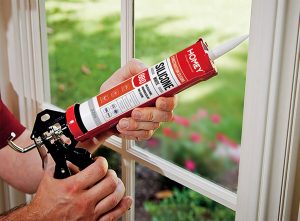
When it comes to construction and repair projects, silicone sealant is often the go-to solution for sealing gaps, cracks, and joints. Whether you’re in the process of waterproofing, insulating, or simply need a long-lasting adhesive, silicone sealant offers durability and reliability. However, it’s important to understand that while silicone is versatile, it does have limitations when it comes to adhesion. So, what doesn’t silicone sealant stick to? Let’s dive into the specifics.
1. Oil-based Surfaces
Silicone sealant is known for its strong bonding properties, but it can struggle to stick to surfaces that are oily or greasy. This includes surfaces like certain plastics, as well as materials that have been treated with oil-based coatings. The presence of oil or grease creates a barrier between the silicone and the surface, making it difficult for the sealant to form a strong bond.
Tip: Make sure the surface is clean and dry before applying silicone sealant. Use a degreaser or a mild detergent to remove oils, dirt, and dust before application.
2. Polyethylene and Polypropylene Plastics
Polyethylene (PE) and polypropylene (PP) are common types of plastic that silicone sealants do not adhere to effectively. These materials have a low surface energy, which makes it difficult for the silicone to form a strong bond.
Tip: For applications involving PE or PP, you might need to consider specialized adhesives or surface treatments like priming to enhance bonding.
3. Teflon (PTFE)
Teflon is widely used for its non-stick properties, which makes it another surface that silicone sealant cannot bond to. This makes Teflon unsuitable for applications where you want the sealant to stick.
Tip: For sealing applications involving Teflon, you might need a specific adhesive designed for non-stick surfaces.
4. Silicone-based Products
It might sound surprising, but silicone sealant does not bond well to other silicone-based products. This includes silicone-coated surfaces or previously sealed areas with silicone. The same chemical properties that make silicone effective at sealing also make it hard for silicone to adhere to itself.
Tip: If you need to apply new silicone over existing silicone, first clean the surface thoroughly and ensure it’s free from any residue. For better adhesion, consider roughening up the surface before application.
5. Wet Surfaces
Silicone sealants work best on dry surfaces. If you apply sealant to wet surfaces, it will not cure properly, leading to a weak bond and possibly even failure in the long run.
Tip: Always ensure the surface is completely dry before applying sealant. If you are working in damp environments, make sure the area has been sufficiently ventilated for drying.
6. Fabrics and Soft Materials
While silicone sealants can be used to seal a wide variety of materials, it does not work well on fabrics, leathers, and other soft materials. The flexibility and porous nature of these materials make it difficult for silicone to form a lasting bond.
Tip: Consider using adhesives designed specifically for fabrics if you’re sealing soft materials. Silicone is ideal for rigid, non-porous surfaces, but it may not be the best solution for fabrics.
Why Choose HOMEY Sealants?
At HOMEY, we pride ourselves on delivering high-quality sealants that stand the test of time. Our silicone sealants are designed for industrial, commercial, and residential applications. We understand that each project has its own unique needs, and that’s why we offer a wide range of sealant products tailored to different surfaces and requirements.
When you choose HOMEY, you’re not just choosing a product; you’re choosing a solution backed by years of expertise. Our sealants undergo rigorous quality control to ensure they perform reliably, ensuring you get the best possible results for your sealing projects.
To explore our full range of products and find the perfect sealant for your needs, visit our product page here.
Conclusion
Silicone sealant is a versatile and powerful solution for sealing gaps and cracks in a variety of materials. However, understanding what silicone sealant doesn’t stick to can save you time, money, and frustration in your projects. Always remember to check the surface you’re working with, and if necessary, use the right product for the job. HOMEY offers high-quality, reliable sealants designed for all your sealing needs – no matter how big or small.
Ready to seal with confidence? Explore HOMEY’s range of premium sealants today and take your projects to the next level!