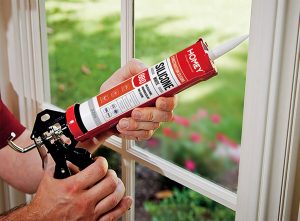
Introduction to Silicone Sealants
Silicone sealants are an essential part of many household and construction projects. They provide a flexible, waterproof seal that makes them perfect for bathrooms, kitchens, windows, and even outdoor applications. But a question often arises: Is silicone sealant toxic to humans? In this article, we’ll break down everything you need to know about the safety of silicone sealants and how to handle them responsibly.
Understanding the Composition of Silicone Sealants
Silicone sealants are typically composed of a silicone polymer base, with added fillers and curing agents. These ingredients allow the sealant to cure and adhere to various surfaces, providing long-lasting flexibility and durability.
- Basic Ingredients in Silicone Sealants: The primary component of silicone sealants is a silicone polymer that provides elasticity. Curing agents, solvents, and sometimes pigments are also included to enhance performance.
- Role of Additives in Silicone Sealants: Additives may include fungicides to prevent mold growth, especially in bathroom sealants. However, these additives can release volatile organic compounds (VOCs) during curing, leading to questions about their safety.
Types of Silicone Sealants
Different types of silicone sealants have unique properties and potential safety considerations.
- Acetic Cure Silicone Sealants: These emit a vinegar-like smell during curing, as they release acetic acid, which can cause irritation to the eyes, skin, and respiratory system.
- Neutral Cure Silicone Sealants: These are less likely to cause irritation during curing, as they do not emit acetic acid. This type is generally preferred for indoor applications where people may be sensitive to strong odors.
Safety Concerns Regarding Silicone Sealants
While silicone sealants are generally safe when used correctly, some health concerns can arise during their application and curing process.
- How Toxic Are Silicone Sealants? Silicone itself is generally non-toxic. However, curing agents and other additives can release low levels of VOCs, which can be irritating if inhaled.
- Volatile Organic Compounds (VOCs) in Sealants: VOCs are chemicals that evaporate into the air and can affect indoor air quality. High levels of exposure to VOCs from silicone sealants during application may cause discomfort, but the levels typically reduce as the sealant cures.
Potential Health Risks of Silicone Sealants
The risks associated with silicone sealants largely depend on the level and duration of exposure.
- Short-Term Exposure Risks: Short-term exposure to silicone sealant fumes during application may lead to symptoms like eye, nose, and throat irritation, especially if the area lacks ventilation.
- Long-Term Exposure Risks: Prolonged exposure to VOCs, while generally low-risk in the quantities found in silicone sealants, may contribute to respiratory issues for sensitive individuals over time.
Inhalation Hazards of Silicone Sealants
Inhaling fumes from uncured silicone sealant can pose temporary health risks.
- Why Inhaling Fumes Can Be Dangerous: Certain sealants release VOCs or acetic acid fumes, which may cause headaches, dizziness, or respiratory irritation.
- Symptoms of Inhalation Exposure: Symptoms can include coughing, sore throat, and even mild nausea, particularly in unventilated areas.
Skin Contact and Silicone Sealants
Direct contact with uncured silicone sealant can irritate the skin for some users.
- Risks of Direct Skin Contact: While silicone is generally safe, some curing agents may cause allergic reactions or mild skin irritation in sensitive individuals.
- Symptoms of Skin Irritation: Redness, itching, or rash may occur, especially if the sealant is not washed off promptly.
Are Silicone Sealants Safe Once Cured?
Once cured, silicone sealants become inert and are generally considered safe.
- Difference Between Cured and Uncured Sealant: Cured silicone is stable and does not release fumes, making it safe for most applications.
- Toxicity Levels After Curing: Cured silicone is typically non-toxic and safe to touch, even in food-related applications, if it meets food-grade standards.
Effects of Silicone Sealants on Indoor Air Quality
Using silicone sealants in poorly ventilated areas may temporarily affect indoor air quality.
- VOC Emissions Indoors: Although VOCs are released in minimal quantities, they can contribute to indoor air pollution during curing.
- How Silicone Sealants Impact Air Quality Over Time: Once the sealant is fully cured, VOC levels drop, and the air quality usually returns to normal.
Is Silicone Sealant Safe for Food Contact?
Food-safe silicone is commonly used in kitchenware, but not all silicone sealants meet these standards.
- FDA-Approved Silicone for Food Contact: Only certain FDA-approved silicones are safe for food contact.
- Risks of Using Non-Food Grade Sealants Near Food: Using regular silicone sealant near food surfaces is not recommended, as additives may not be safe for ingestion.
Proper Use and Ventilation Tips for Safety
When using silicone sealants indoors, proper ventilation is key.
- Importance of Ventilation When Applying Silicone Sealants: Ensure good airflow by opening windows or using fans to reduce exposure to curing fumes.
- Best Practices for Reducing Exposure: Apply in small sections, take breaks, and allow fresh air to circulate to avoid prolonged exposure to fumes.
Protective Measures When Using Silicone Sealants
Safety precautions can minimize health risks when applying silicone sealant.
- Personal Protective Equipment (PPE): Wearing gloves, masks, and protective eyewear can help reduce exposure.
- Safe Application Practices: Avoiding direct contact and working in well-ventilated areas are simple but effective ways to stay safe.
Environmental Impact of Silicone Sealants
Silicone sealants are durable but not biodegradable, posing certain environmental challenges.
- Biodegradability of Silicone: Silicone does not break down easily, so disposal should be done thoughtfully.
- Impact on Waterways and Wildlife: Improper disposal may harm marine life, as small particles can accumulate in water sources.
Alternatives to Silicone Sealants for Sensitive Applications
For those seeking non-toxic options, several alternatives exist.
- Non-Toxic Sealant Alternatives: Water-based or acrylic sealants are good alternatives that may be less irritating for indoor use.
- Pros and Cons of Alternative Materials: While these alternatives may be safer, they may lack the flexibility and durability of silicone sealants.
Conclusion
Silicone sealants, while generally safe, do carry some risks during application due to VOCs and curing agents. With proper ventilation and protective equipment, most health risks can be minimized. For sensitive applications like food contact, FDA-approved food-grade silicone is recommended. When used responsibly, silicone sealants offer an effective, safe solution for various sealing needs.
FAQs
- Is silicone sealant safe to use indoors?
Yes, but ensure good ventilation during application to minimize exposure to fumes. - How long does it take for silicone sealant to stop emitting fumes?
Typically, curing takes 24-48 hours, after which most fumes subside. - Can silicone sealants cause skin allergies?
Some individuals may experience mild skin irritation or allergies. - Is cured silicone safe for children and pets?
Yes, once fully cured, silicone is non-toxic and safe for general use. - How can I tell if a silicone sealant is food-safe?
Look for FDA approval or food-safe labeling for products intended for food contact.