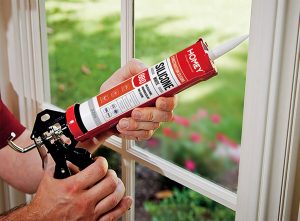
When you’re working on sealing gaps, cracks, or joints, especially in areas exposed to water, you need to make sure that the material you’re using is up to the task. One of the most popular choices for waterproof sealing is silicone sealant. But is 100% silicone sealant truly waterproof? Let’s dive in and answer this crucial question.
What is Silicone Sealant?
Before we dive into its waterproofing properties, let’s first understand what silicone sealant is. Silicone sealant is a versatile, rubber-like compound used primarily for sealing gaps, joints, and cracks. Unlike other adhesives or sealants, silicone has remarkable flexibility, making it ideal for areas that experience expansion or contraction, such as windows and doors. Silicone comes in various forms, including 100% silicone sealant, which is free from any additives or fillers that could impact its performance.
The Basics of Waterproofing
Waterproofing refers to the ability of a material to prevent water from passing through it. Materials that are considered waterproof can resist water absorption or penetration under normal conditions. To be classified as waterproof, a material must be durable, non-porous, and capable of withstanding prolonged exposure to water without degradation.
How Silicone Sealant Works
Silicone sealant’s waterproof capabilities come from its molecular structure. Once applied, silicone sealant undergoes a curing process where it transforms from a sticky, pliable substance into a rubbery, flexible, and durable seal. This makes it effective at creating waterproof barriers. The key here is the siloxane bonds in silicone, which repel water and moisture, ensuring that the seal remains intact even in wet conditions.
Is 100% Silicone Sealant Waterproof?
So, is 100% silicone sealant waterproof? The short answer is yes, 100% silicone sealant is indeed waterproof. It’s specifically designed for use in areas where water resistance is critical, like kitchens, bathrooms, and outdoor applications. Silicone sealant can withstand direct exposure to water without losing its integrity, making it a go-to choice for waterproofing tasks.
Comparison with Other Sealants:
Compared to other sealants, 100% silicone stands out because it offers superior waterproofing. For instance, latex sealants may provide some water resistance but aren’t as durable under constant exposure to moisture. Polyurethane, on the other hand, offers strong adhesion and water resistance but isn’t as flexible as silicone. This is why silicone is preferred for projects that require a high degree of flexibility along with waterproof protection.
Advantages of 100% Silicone Sealant
- Durability and Flexibility: Silicone sealant is not only waterproof but also extremely durable. It can withstand temperature fluctuations, vibrations, and movement, which makes it ideal for sealing joints and seams that expand and contract over time.
- Long-Lasting Protection Against Moisture: Unlike some sealants that can degrade or wear out when exposed to water, 100% silicone can continue to provide a water-tight seal for years, even in harsh environments.
- Resistance to Mold and Mildew: Silicone’s resistance to moisture also means that it’s highly resistant to mold and mildew growth, which is essential in areas prone to dampness, like bathrooms and kitchens.
Limitations of 100% Silicone Sealant
While 100% silicone sealant is highly effective, there are some limitations you should consider:
- Extreme Conditions: Silicone can withstand a variety of environmental conditions, but extreme heat (above 400°F or 204°C) or very cold temperatures may affect its performance. Make sure to check the product specifications for temperature limits.
- Surface Compatibility: Silicone works best on non-porous surfaces like glass, metal, and ceramics. It might not adhere well to porous materials like wood or drywall, which could reduce its waterproofing ability in certain situations.
Common Applications of Silicone Sealant in Waterproofing
Silicone sealant is commonly used in various applications where waterproofing is essential:
- Bathrooms and Kitchens: In areas like bathtubs, sinks, and showers, silicone sealant creates an impermeable barrier that prevents water from leaking into the walls or floor.
- Windows and Doors: Silicone is often used to seal gaps around windows and doors, protecting against rainwater and air infiltration.
- Boats and Marine Applications: Silicone sealant is also a popular choice for waterproofing boats and marine equipment, providing reliable resistance to water exposure.
How to Apply 100% Silicone Sealant Correctly
For optimal performance, applying 100% silicone sealant correctly is key. Here’s how to do it:
- Surface Preparation: Make sure the surfaces to be sealed are clean, dry, and free of oil or dust. This ensures that the silicone will bond properly.
- Application Techniques: Use a caulking gun to apply a steady, even bead of silicone along the joint or gap. Ensure that the silicone completely fills the space for maximum waterproofing.
- Curing Time: Allow the silicone to cure fully, which typically takes 24 hours, depending on humidity and temperature. Avoid exposing the sealant to water during this time.
Can 100% Silicone Sealant Be Used Underwater?
While 100% silicone sealant is waterproof, using it underwater can be tricky. It can bond and cure underwater in some cases, but for the best results, it’s important to follow the manufacturer’s instructions. For submerged applications, it’s best to use a product specifically designed for underwater use.
Alternatives to 100% Silicone Sealant
If 100% silicone sealant doesn’t meet your needs, other options include:
- Polyurethane Sealant: A great alternative for outdoor applications and high-traffic areas. It offers strong water resistance but is less flexible than silicone.
- Butyl Rubber: Ideal for sealing windows and doors, especially in areas where there may be high moisture exposure.
Conclusion
To sum up, 100% silicone sealant is indeed waterproof and an excellent choice for sealing in areas exposed to moisture. It offers durability, flexibility, and long-lasting protection, making it ideal for a wide range of applications. Whether you’re sealing bathrooms, windows, or even boats, silicone sealant delivers reliable, water-resistant performance.
FAQs
Is silicone sealant waterproof in pools?
Yes, silicone sealant is ideal for sealing pool areas, but make sure to choose a product specifically designed for aquatic environments.
Can silicone sealant be used on outdoor surfaces?
Yes, silicone works well for outdoor sealing, especially around windows, doors, and roof joints.
How long does silicone sealant last?
Under normal conditions, silicone sealant can last up to 20 years, providing long-term protection.
Can silicone sealant be removed easily?
While silicone can be removed, it may require a silicone remover or scraper and some effort to fully clean the surface.
What happens if silicone sealant gets wet before curing?
If silicone sealant gets wet before it’s cured, it may not bond properly, leading to reduced effectiveness and potential failure of the seal.