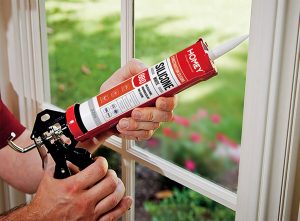
Introduction to Silicone Caulking
What is Silicone Caulk?
Silicone caulk is a flexible, waterproof material commonly used to seal gaps and joints in areas like bathrooms, kitchens, and windows. Its durability and resistance to moisture make it an excellent choice for both interior and exterior applications.
Importance of Proper Caulking
Proper caulking prevents water damage, improves insulation, and enhances the overall appearance of your home. Poorly done caulking, on the other hand, can lead to leaks, mold growth, and costly repairs.
Essential Tools and Materials
Tools Needed for Silicone Caulking
You’ll need a caulk gun, a caulk finishing tool (or your finger), masking tape, a utility knife, and cleaning supplies like rubbing alcohol and a clean rag.
Choosing the Right Silicone Caulk
Pick a high-quality silicone caulk suitable for your project. For wet areas, look for mold-resistant options. For exterior use, choose UV-resistant caulk.
Preparing for the Job
Cleaning the Surface
Ensure the surface is clean, dry, and free of debris. Use rubbing alcohol or a mild cleaner to remove any grease or residue.
Taping the Edges for Precision
Apply masking tape along the edges of the area to ensure clean, straight lines. This step is especially important for beginners.
Applying Silicone Caulk
Cutting the Caulk Tube Tip Correctly
Cut the tip of the caulk tube at a 45-degree angle. The size of the opening should match the size of the gap you’re sealing.
How to Hold and Use the Caulk Gun
Hold the caulk gun at a 45-degree angle and apply steady pressure to dispense the caulk. Move the gun slowly and steadily to create an even bead.
Applying an Even Bead of Caulk
Start from one end and work your way to the other without stopping. Practice on a scrap piece if you’re new to caulking.
The Art of Tooling Silicone Caulk
Why Tooling is Important
Tooling smooths the caulk and ensures it adheres properly to the surface, creating a clean and professional finish.
Step-by-Step Guide to Tooling
Using Your Finger
Dampen your finger with water or a caulk smoothing agent. Gently press and run your finger along the bead for a smooth finish.
Using a Caulk Finishing Tool
A caulk finishing tool provides a more uniform finish. Choose a tool with the desired radius and glide it along the bead with light pressure.
Finishing Touches and Cleanup
Removing Excess Caulk
Wipe away excess caulk with a damp cloth before it cures. Be careful not to disturb the bead.
Ensuring a Professional Finish
Remove the masking tape while the caulk is still wet. This will prevent pulling up the caulk and ruining your clean lines.
Common Mistakes and How to Avoid Them
Over-applying Caulk
Too much caulk can lead to a messy finish. Apply a consistent bead that matches the size of the gap.
Skipping Surface Preparation
Caulk won’t adhere properly to dirty or wet surfaces. Always clean and dry the area before starting.
Maintenance Tips for Long-Lasting Caulk
Regular Inspection and Cleaning
Inspect the caulking periodically for cracks or signs of wear. Clean it with mild soap and water to prevent buildup.
When to Reapply Caulk
Reapply caulk when you notice cracks, gaps, or loss of adhesion. Regular maintenance ensures a watertight seal.
Conclusion
Tooling silicone caulk doesn’t have to be intimidating. With the right tools, preparation, and techniques, you can achieve a professional finish that enhances your home’s appearance and durability. So roll up your sleeves and give it a try—you’ll be amazed at the difference a well-done caulking job can make!
FAQs
What is the best tool for tooling silicone caulk?
A caulk finishing tool is ideal, but a dampened finger works well for most projects.
Can I use water to smooth silicone caulk?
Yes, water or a smoothing agent can help create a smoother finish.
How long does silicone caulk take to cure?
It typically takes 24 hours to cure fully, but this may vary based on the product.
Can I paint over silicone caulk?
Standard silicone caulk is not paintable. Use a paintable caulk if you plan to paint over it.
How do I remove old silicone caulk?
Use a utility knife or caulk remover tool to scrape it off, and clean the surface before reapplying.