Introduction
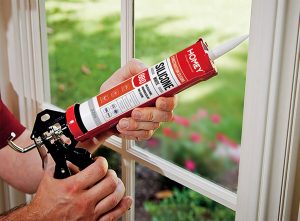
Silicone sealant is a versatile material used in construction and home improvement for sealing joints and gaps. However, there are times when you need to remove it—whether it’s because the sealant is old, damaged, or simply in the wrong place. But how do you get rid of it without damaging the underlying surface? This guide will walk you through the process step by step.
Understanding Silicone Sealant
What Is Silicone Sealant?
Silicone sealant is a flexible, waterproof material often used to seal bathtubs, windows, sinks, and other areas prone to moisture exposure.
Common Uses of Silicone Sealant
It’s widely used in bathrooms, kitchens, and outdoor projects to prevent leaks, provide insulation, and ensure a tidy finish.
Reasons to Remove Silicone Sealant
Common Scenarios Requiring Removal
- Remodeling or Repairs: When upgrading or fixing a space, old sealant often needs to be replaced.
- Old and Damaged Sealant: Over time, sealant can crack, discolor, or lose its adhesion.
- Incorrect Application: A messy or uneven application may call for a redo.
Challenges of Removing Silicone Sealant
Silicone’s strong adhesion makes it tricky to remove, especially without damaging the surface.
Preparation Before Removing Silicone Sealant
Tools and Materials Needed
- A utility knife or scraper.
- Silicone sealant remover or natural alternatives like vinegar.
- Cleaning cloths, soapy water, and a sponge.
Safety Precautions
- Wear gloves to protect your hands.
- Ensure proper ventilation if using chemical removers.
Methods for Removing Silicone Sealant
Mechanical Removal
Using a Utility Knife or Scraper
Carefully cut along the edges of the sealant and peel it away.
Sanding or Buffing the Residue
Use fine-grit sandpaper to smooth the surface and remove stubborn bits.
Chemical Removal
Applying a Silicone Sealant Remover
Apply the remover, let it sit as directed, and scrape away the softened sealant.
Natural Alternatives (Vinegar or Alcohol)
For a less harsh approach, use vinegar or rubbing alcohol to break down the sealant.
Combining Methods for Best Results
Often, a mix of mechanical and chemical approaches works best.
Step-by-Step Guide to Removing Silicone Sealant
- Cut along the edges of the sealant with a utility knife.
- Use a scraper to peel away large sections.
- Apply a silicone remover or natural alternative to soften residue.
- Scrub the area with a sponge or sandpaper.
- Clean the surface thoroughly with soap and water.
Tips and Tricks for Effective Removal
Avoiding Surface Damage
Always use gentle pressure and avoid sharp angles with tools.
Dealing with Stubborn Residue
Reapply remover or use a plastic scraper to protect delicate surfaces.
Cleaning the Area After Removal
Once the sealant is gone, wash the area with soapy water to remove any leftover chemicals or debris. A clean surface ensures the new sealant adheres properly.
When to Seek Professional Help
If the sealant is in hard-to-reach areas or on delicate surfaces, consider hiring a professional to avoid potential damage.
Conclusion
Removing silicone sealant can be a daunting task, but with the right tools and techniques, it’s manageable. Whether you use mechanical, chemical, or natural methods, the key is patience and care. Proper removal ensures your next application looks great and lasts longer.
FAQs
- What is the best tool for removing silicone sealant?
A utility knife or scraper is most effective for large sections, while sandpaper works well for residue. - Can vinegar dissolve silicone sealant?
Vinegar can help soften silicone but may not work as quickly as commercial removers. - How long does it take to remove silicone sealant?
Depending on the size and age of the sealant, removal can take anywhere from 30 minutes to a few hours. - Is it possible to reuse old silicone sealant?
No, once silicone sealant is removed, it cannot be reused. - How do I prevent damage to the surface while removing sealant?
Use plastic tools, avoid excessive force, and work carefully around delicate surfaces.