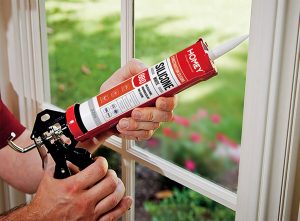
Silicone sealant is a versatile material used in construction, home improvement, and repairs. However, removing it can be a challenge when it’s time for repairs or replacement. Here’s a comprehensive guide to help you dissolve silicone sealant effectively and safely.
Understanding Silicone Sealant
What Is Silicone Sealant?
Silicone sealant is a flexible, waterproof adhesive commonly used to seal gaps, joints, and edges. Its durability and resistance to moisture make it ideal for bathrooms, kitchens, and windows.
Common Uses of Silicone Sealant
From sealing bathtubs to securing aquariums, silicone sealant is a go-to for various applications. It adheres to multiple surfaces, including glass, tiles, and metal.
Why Is It Hard to Remove?
Silicone’s strong adhesion and resistance to chemicals make it tough to dissolve. It bonds firmly to surfaces, often requiring a combination of methods to remove.
Reasons for Dissolving Silicone Sealant
Repair and Replacement Needs
Over time, silicone can crack or discolor, necessitating its removal and replacement to maintain a seamless look and function.
Removing Excess Sealant
Excess application during installation can leave unsightly blobs that need cleaning.
Cleaning Surfaces for Reapplication
To ensure new sealant adheres properly, it’s essential to remove old residues completely.
Tools and Materials Required
Essential Tools for Silicone Removal
- Utility knife
- Razor blade scraper
- Microfiber cloth
Chemical Products for Dissolving Sealant
- Commercial silicone remover
- Acetone
- Isopropyl alcohol
Safety Equipment to Use
- Gloves
- Goggles
- Mask (for chemical use)
Methods to Dissolve Silicone Sealant
Mechanical Removal Techniques
Using a Utility Knife
Gently score along the edges of the silicone and peel it off. Ensure the blade is sharp to avoid slipping.
Scraping with a Razor Blade
Use a razor blade at a shallow angle to scrape away stubborn sealant. This works well for flat surfaces.
Using Commercial Silicone Removers
How to Apply the Remover
Apply a generous amount of silicone remover to the sealant and let it sit for the specified time.
Waiting Period and Effectiveness
Most removers take 30 minutes to break down the silicone, making it easier to scrape off.
Home Remedies for Dissolving Sealant
Using Vinegar and Isopropyl Alcohol
Soak a cloth in vinegar or alcohol and rub it on the sealant. This method is slower but effective for smaller areas.
Using Acetone
Apply acetone to a rag and dab it onto the silicone. Acetone softens the sealant, making removal easier.
Step-by-Step Guide to Dissolve Silicone Sealant
Preparing the Area
Clear the workspace and protect nearby surfaces with masking tape.
Applying the Chosen Method
Whether using a chemical remover or mechanical tools, follow the instructions carefully to dissolve and scrape off the sealant.
Cleaning Up Residual Sealant
Wipe down the surface with a cloth soaked in alcohol to remove any leftover residue.
Tips for Safe and Effective Removal
Avoiding Surface Damage
Work gently to prevent scratches or gouges on delicate surfaces.
Working in Ventilated Areas
Ensure proper ventilation when using chemicals to avoid inhaling fumes.
Disposing of Waste Properly
Dispose of silicone remnants and chemical-soaked materials responsibly.
Common Mistakes to Avoid
Using Excessive Force
Applying too much pressure can damage the surface and increase the risk of injury.
Skipping Safety Measures
Always wear gloves and goggles to protect yourself.
Neglecting Residual Sealant
Leaving residues can hinder the adhesion of new sealant.
When to Call a Professional
Signs of Complicated Removal
If the silicone is embedded in hard-to-reach areas, it’s time to seek professional help.
Large-Scale Projects
For extensive removal, a professional can save time and ensure precision.
Maintaining Silicone Sealant for Longevity
Proper Application Techniques
Apply sealant evenly and avoid excess to reduce future removal challenges.
Regular Cleaning and Inspection
Clean sealed areas periodically to prevent mold and deterioration.
Conclusion
Removing silicone sealant might seem daunting, but with the right tools, methods, and precautions, you can handle it like a pro. Whether you’re using mechanical tools, commercial removers, or home remedies, following a step-by-step process ensures safe and effective results.
FAQs
- What is the best chemical to dissolve silicone sealant?
Commercial silicone removers are the most effective for breaking down sealant quickly. - Can I use household items to remove silicone sealant?
Yes, items like vinegar and isopropyl alcohol can help soften silicone for removal. - How long does it take to remove silicone sealant?
It depends on the method, but most removers work within 30 minutes to an hour. - Is it safe to use a utility knife for silicone removal?
Yes, but exercise caution to avoid scratching surfaces or injuring yourself. - When should I replace old silicone sealant?
Replace it when you notice cracks, discoloration, or loss of adhesion.