Introduction
Silicone sealant is a versatile adhesive and sealing material used in construction, automotive, and DIY applications. But when applying it, one crucial question arises: How thick should silicone sealant be? Using the right thickness ensures durability, flexibility, and effective sealing, while improper thickness can lead to leaks, cracks, or adhesion failure.
Understanding Silicone Sealant
What Is Silicone Sealant?
Silicone sealant is a flexible, rubber-like substance used for sealing gaps, joints, and surfaces. It provides excellent waterproofing and adhesion to various materials, including glass, metal, plastic, and concrete.
Different Types of Silicone Sealants
- Acetoxy Silicone Sealant – Ideal for indoor use, fast curing, strong adhesion
- Neutral Cure Silicone Sealant – Suitable for outdoor applications, less odor
- High-Temperature Silicone – Used in automotive and industrial settings
- Mold-Resistant Silicone – Perfect for bathrooms and kitchens
Factors That Determine Silicone Sealant Thickness
Several factors influence how thick silicone sealant should be:
- Application Type: Construction, automotive, or DIY projects each require different thicknesses.
- Material Expansion & Contraction: Materials like metal or glass expand and contract with temperature changes, affecting sealant performance.
- Environmental Conditions: Temperature, humidity, and UV exposure impact the effectiveness of the sealant.
Recommended Thickness for Different Applications
Construction Applications
- Window & Door Sealing: 3-5 mm thick layer for effective weatherproofing.
- Expansion Joints: 6-12 mm, depending on joint size and movement.
Automotive Applications
- Windshield Sealing: 4-6 mm for a secure, vibration-resistant bond.
- Gasket Replacement: Typically 2-3 mm to prevent leaks while maintaining flexibility.
DIY & Household Uses
- Bathroom & Kitchen Sealing: 3-4 mm for proper moisture resistance.
- Aquarium & Glass Bonding: 5-10 mm to withstand water pressure.
How to Apply Silicone Sealant Correctly
Choosing the Right Tools
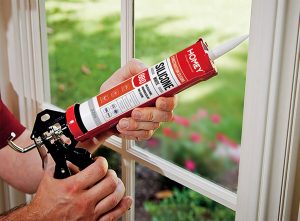
- A high-quality caulking gun ensures controlled application.
- Spatula or smoothing tool helps achieve an even finish.
Surface Preparation
- Clean surfaces thoroughly to remove dust, oil, or old sealant.
- Dry the area completely before application.
Proper Application Techniques
- Cut the nozzle at a 45-degree angle for precise control.
- Apply in a continuous, even bead along the joint.
- Use a smoothing tool or finger to spread evenly.
Common Mistakes When Applying Silicone Sealant
- Too Much Sealant: Excess sealant leads to messy application and longer curing time.
- Too Little Sealant: Insufficient coverage results in weak bonding and leaks.
- Poor Adhesion: Not cleaning surfaces properly reduces bonding strength.
How to Measure and Maintain the Right Thickness
- Use a calibrated nozzle to control bead size.
- Check for gaps and air bubbles and smooth them out immediately.
- Regularly inspect and reapply if needed, especially in high-moisture areas.
Conclusion
Applying the right thickness of silicone sealant is essential for long-lasting and effective sealing. Whether you’re working on a construction project, repairing a car, or sealing your bathroom, following proper thickness guidelines ensures durability and flexibility. Always refer to manufacturer recommendations for best results.
FAQs
1. How long does silicone sealant take to dry?
Most silicone sealants take 24 hours to cure completely, but some fast-curing types dry within a few hours.
2. Can I apply a second layer of silicone sealant?
Yes, but ensure the first layer is fully cured before applying another layer to avoid adhesion issues.
3. What happens if I apply too much silicone?
Excess sealant can cause messy application, take longer to cure, and may not adhere properly.
4. Is there a way to remove and reapply silicone sealant?
Yes, use a silicone remover or a sharp tool to scrape off old sealant before reapplying a fresh layer.
5. Does silicone sealant shrink over time?
High-quality silicone sealants maintain their thickness, but low-quality ones may shrink due to solvent evaporation.