Introduction
Have you ever wondered how silicone sealants—those versatile, waterproof adhesives—are made? Understanding the manufacturing process offers a glimpse into how innovation meets practicality in creating a product we use every day, from construction to DIY projects. Let’s dive into the fascinating process of how silicone sealants come to life.
What is Silicone Sealant?
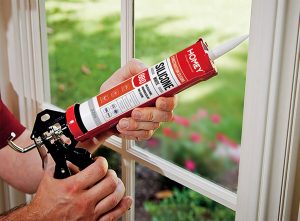
Silicone sealant is a durable adhesive and sealant widely used in construction, automotive, and household applications. It is known for its flexibility, waterproofing properties, and resistance to extreme temperatures. Whether sealing windows or fixing leaks, silicone sealant proves indispensable.
Key Ingredients of Silicone Sealant
- Silicone Polymer: The primary ingredient, giving the sealant its flexibility and strength.
- Cross-Linking Agents: Facilitate the curing process, transforming the liquid into a solid, elastic material.
- Fillers and Additives: Improve durability, UV resistance, and adhesion.
Types of Silicone Sealants
- Acetoxy Cure: Cures quickly but has a vinegar-like smell. Ideal for non-porous surfaces.
- Neutral Cure: Compatible with a wider range of materials, including metals and plastics.
- Specialty Formulations: Designed for specific applications like high-temperature or underwater use.
The Manufacturing Process: Step-by-Step
- Raw Material Selection
The process begins with selecting high-quality silicone polymers, cross-linking agents, and additives. Quality materials are crucial for creating a reliable product. - Mixing and Blending
The raw materials are combined in industrial mixers to form a consistent base. Precision is key to ensuring uniformity. - Addition of Fillers and Additives
Fillers like calcium carbonate are added to enhance strength, while additives improve UV resistance, adhesion, and other properties. - Cross-Linking Process
Cross-linking agents are introduced, triggering a chemical reaction that transforms the mixture into a semi-solid state. - Quality Control Checks
Samples are tested for viscosity, curing time, and adhesion to ensure the product meets industry standards.
Raw Material Procurement
High-quality silicone is sourced from trusted suppliers. Ensuring consistency in raw materials is a foundational step for a reliable end product.
Mixing and Blending
Large-scale mixers are used to blend the ingredients uniformly. The right mix is critical for achieving the desired texture and properties.
Addition of Fillers and Additives
Fillers like silica improve mechanical strength, while additives such as UV stabilizers enhance performance under sunlight.
Cross-Linking and Curing
Cross-linking is a transformative chemical process where the silicone molecules bond, giving the sealant its final properties. This is followed by curing, which can take minutes to hours depending on the formulation.
Packaging and Distribution
The finished sealant is packed in airtight cartridges to prevent premature curing. These are then distributed through various channels, from hardware stores to industrial suppliers.
Quality Assurance and Testing
Rigorous testing ensures the sealant performs well under stress, resists water, and adheres to different surfaces. Tests include adhesion, elongation, and thermal resistance checks.
Environmental Considerations
Sustainability is a growing focus. Manufacturers aim to reduce waste and adopt eco-friendly practices, such as recycling by-products.
Challenges in Manufacturing Silicone Sealant
From sourcing quality materials to adhering to environmental regulations, manufacturers face numerous challenges. Balancing cost with quality remains a persistent hurdle.
Advancements in Silicone Sealant Production
Automation has revolutionized the manufacturing process, improving precision and efficiency. Innovations in formulations now cater to niche applications like aerospace and medical use.
Conclusion
Silicone sealant production is a blend of chemistry, engineering, and innovation. From raw material selection to packaging, every step ensures a product that is versatile, durable, and reliable. As technology advances, the industry continues to adapt, creating sealants for a wide range of applications.
FAQs
- What is the main ingredient in silicone sealant?
The primary ingredient is silicone polymer, known for its flexibility and strength. - How is silicone sealant tested for quality?
Tests include adhesion, elongation, and thermal resistance to ensure durability and performance. - What are the environmental considerations in manufacturing silicone sealants?
Manufacturers focus on reducing waste and adopting eco-friendly practices to minimize environmental impact. - What is the difference between acetoxy and neutral cure sealants?
Acetoxy cure sealants release acetic acid during curing, making them ideal for non-porous surfaces. Neutral cure sealants are more versatile and compatible with various materials. - Can silicone sealant be recycled?
While not traditionally recyclable, advancements in recycling technologies are enabling more sustainable disposal methods.