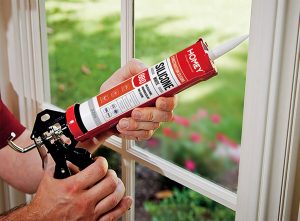
In the skyscrapers of Dubai or the residential developments of Riyadh, building materials face some of the harshest tests on Earth. For procurement officers and contractors in this region, finding a qualified Sealant for Middle East applications is not just about waterproofing—it is about ensuring structural safety under extreme heat.
Many contractors discover that generic, general-purpose sealants often fail when they arrive at a Middle Eastern job site. Issues like slumping, bubbling, or cracking due to sun exposure can occur within months of installation. This usually happens because the product was not engineered to adapt to the unique local environment.
This guide analyzes the technical requirements for screening a durable, high-standard Sealant for Middle East solution and compares the suitability of Silicone versus Polyurethane (PU) for the region.

Why Does a Sealant for Middle East Require Special Performance?
The climate in the Middle East sets an incredibly high barrier for construction chemicals. To be considered a qualified Sealant for Middle East projects, a product must be able to overcome three major environmental challenges:
1.Extreme Surface Temperatures:
In summer, the exterior surface temperature of buildings can exceed 70°C. Inferior sealants will soften, lose cohesion, and suffer from permanent deformation under this heat.

2.Intense UV Radiation:
The UV index in desert regions is extremely high. If the chosen Sealant for Middle East formula lacks sufficient UV stabilizers, the chemical bonds within the sealant will break, leading to surface crazing and chalking.
3.Massive Thermal Movement:
Desert climates feature huge temperature differences between day and night, causing building materials to expand and contract drastically. This requires the sealant to possess excellent elastic recovery; otherwise, it will tear apart.

Material Guide: Silicone or PU? Finding the Ideal Sealant for Middle East
When sourcing, buyers often face a choice: Silicone or Polyurethane (PU)? For the specific context of a Sealant for Middle East, their roles are distinct:
1. Silicone Sealant: The First Choice for Glass Facades
For modern high-rises and glass curtain walls, Silicone is the king in the Sealant for Middle East category.
- Weathering Superiority: Silicone’s unique inorganic molecular structure makes it naturally immune to UV radiation. A high-quality silicone sealant will not degrade even after 20 years of exposure to the Gulf sun.
- Heat Resistance: Cured silicone can withstand extremely high temperatures without changing its physical properties, making it perfect for metal and glass joints directly exposed to sunlight.

2. PU Sealant: The Expert for Concrete & Precast
In precast concrete and stone jointing, PU is a common choice for a Sealant for Middle East.
- Strong Adhesion: PU sealant has excellent adhesion to porous substrates like concrete and cement.
- Sun Protection Required: Not all PU sealants are sun-proof. When used in the Middle East, you must ensure you are purchasing a specialized product modified with UV resistance, or that the sealant is painted over after application for protection.

Sourcing Checklist: Parameters of a Qualified Sealant for Middle East
When reviewing a Technical Data Sheet (TDS), focus on the following indicators to ensure the product meets the high standards of a Sealant for Middle East:
1.Movement Capability:
Look for products that meet ISO 11600 Class 25LM or higher. Given the thermal expansion in the region, Low Modulus (high elasticity) products are the best choice.
2.Service Temperature:
Ensure the product’s upper service temperature limit reaches at least 150°C. This is a basic threshold for any effective Sealant for Middle East.
3.Slump Resistance:
The sealant must not flow or sag during application in high heat. A quality sealant ensures shape stability even in wide vertical joints.
Expert Application Tips: How to Apply Sealant for Middle East Correctly
Even if you buy the right product, application techniques specific to the Middle East environment are crucial.
- Avoid Peak Heat: Do not apply sealant during the midday sun. High temperatures cause gases in concrete substrates to expand. Sealing at this time often leads to “bubbling” or blistering in the cured sealant.
- Clean the Dust: Desert regions are prone to sand and dust. Before applying any Sealant for Middle East, you must thoroughly clean the joint with solvents and a cloth to ensure a dust-free bonding surface.
Contact Us: Choosing a Trusted Brand
In the Middle East, a building is not just a living space; it is a shield against sandstorms and heatwaves. Choosing a field-proven Sealant for Middle East prevents expensive rework costs and potential leakage risks.
At Homey, we have years of export experience and understand the harsh climate of the region. Our weatherproofing sealant series is optimized with specific formulas designed to be your most trustworthy Sealant for Middle East solution.
Want professional advice for your specific project?
Contact our Export Experts
Browse our High-Performance Sealant Catalog
FAQ
Q1: How long does a sealant last in the Middle East heat?
A: A high-quality silicone Sealant for Middle East has strong anti-aging properties and typically lasts over 20 years without cracking. PU products have a shorter lifespan if not protected by paint.
Q2: Why do bubbles appear on the surface after application?
A: This is usually because the substrate temperature was too high (over 50°C) during application. We recommend choosing a non-bubbling formula Sealant for Middle East and applying it in the late afternoon.
Q3: Can I paint over the sealant?
A: It depends on the material. PU sealants are generally paintable, but paint will not adhere to Silicone sealants. Please confirm your aesthetic requirements before purchasing.
Q4: How should I store unused sealant in hot weather?
A: It must be stored indoors in a cool place below 27°C. Long-term exposure to heat will significantly shorten the shelf life of any Sealant for Middle East.