Can I Use Out-of-Date Silicone Sealant?
Introduction
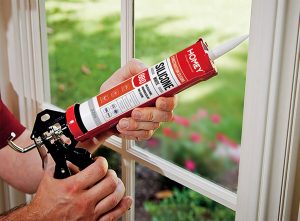
Silicone sealant is a common and essential material used in a wide range of projects, from waterproofing bathrooms to sealing windows and doors. Given its versatile use and reliable sealing capabilities, it’s crucial to ensure it’s effective when applied. But what if you come across an old tube in your storage? Should you use it, or is it better to dispose of it? In this article, we’ll discuss whether using expired silicone sealant is a wise choice and what you should know before doing so.
Understanding Silicone Sealant Expiry
Silicone sealant works by curing, or hardening, into a rubber-like material that is flexible and waterproof. However, as with most products, it has an expiry date. Over time, the chemical structure in silicone can deteriorate, affecting its adhesive qualities and durability.
What Determines the Shelf Life of Silicone Sealant?
The shelf life of silicone sealant can vary depending on how it’s stored and the quality of its packaging. Silicone sealants are typically sealed to protect them from air and moisture, but exposure to heat, humidity, or light can shorten their lifespan.
How to Check the Expiry Date on Silicone Sealant
Most silicone sealants come with a label that indicates the manufacturing and expiry dates. This information can often be found on the tube itself, marked with “MFG” for manufacturing and “EXP” for expiration.
What Happens If You Use Expired Silicone Sealant?
Using expired silicone sealant can lead to a variety of issues. Over time, expired sealant may lose its elasticity and adhesiveness, meaning it won’t hold as well or create a proper waterproof barrier. Additionally, it may not cure properly, leading to a sticky or uneven finish.
Signs Your Silicone Sealant Has Expired
If your silicone sealant has expired, you might notice changes in color, texture, or even smell. Expired sealant may appear lumpy or too thick, making it hard to apply evenly. If it’s past its prime, you’ll likely see inconsistencies in how it flows or cures.
Testing Expired Silicone Sealant Before Use
In some cases, you might want to test expired sealant before discarding it. To do this, apply a small amount on a scrap surface and allow it to cure. Check if it hardens properly and remains flexible. If it doesn’t, it’s best not to use it for any important applications.
Potential Issues with Expired Silicone Sealant
Expired silicone sealant can lead to a range of issues, including poor adhesion, lack of waterproofing, and reduced flexibility. These problems may cause seal failure, which can be particularly problematic in areas exposed to moisture or temperature changes.
Is It Ever Safe to Use Expired Silicone Sealant?
In non-critical applications, using expired silicone sealant might not lead to severe issues. For example, if you’re doing a minor repair that won’t be exposed to water or temperature shifts, it could work temporarily. However, it’s always advisable to use fresh sealant when available for the best results.
Comparing New vs. Expired Silicone Sealant
New silicone sealant offers consistent performance, easy application, and reliability, while expired sealant often lacks these qualities. Fresh sealant ensures your project will have the longevity and protection needed, especially in places where strong adhesion is crucial.
When to Discard Expired Silicone Sealant
If the sealant shows significant changes in consistency or won’t cure, it’s time to discard it. Don’t risk compromising your project by using degraded material. Always check local guidelines for safe disposal to avoid environmental harm.
How to Store Silicone Sealant to Extend Shelf Life
To maximize the shelf life of silicone sealant, keep it in a cool, dry place, away from sunlight. Ensure it is tightly sealed after each use to prevent moisture from seeping in. Proper storage conditions can help extend its usability.
Alternatives to Expired Silicone Sealant
If your sealant is expired, consider purchasing a fresh tube. Alternatives, such as acrylic or polyurethane sealants, may work for certain projects, though they may not offer the same flexibility as silicone.
Tips for Buying and Using Silicone Sealant Efficiently
When purchasing silicone sealant, try to estimate the amount you’ll need to avoid having leftover product. Properly planning your project and storage can reduce waste and ensure you’re using the best quality sealant every time.
Conclusion
Using expired silicone sealant is generally not recommended, as it can compromise the quality of your project. While it may work in some cases, it’s often better to invest in a new tube for reliable results. Proper storage and purchasing only what you need can help prevent the need to deal with expired sealant in the future.
FAQs
- Can expired silicone sealant still cure properly?
Not always. Expired sealant may fail to cure correctly, leading to a tacky or uneven finish. - How long can silicone sealant last if stored properly?
Most silicone sealants last 12-24 months if kept in cool, dry conditions and sealed tightly. - What are the risks of using expired silicone sealant in wet areas?
It may not adhere well or provide adequate waterproofing, leading to potential leaks. - Is there a way to rejuvenate expired silicone sealant?
No, expired silicone cannot be restored to its original quality, so it’s best to replace it. - How can I ensure I’m using the right amount of silicone sealant?
Measure the length of your seams and calculate the volume needed to minimize excess and avoid waste.